The death of a young fishing vessel crew member in Alaska has drawn attention to the dangers faced by commercial fishermen working in some of the harshest environments in the world.
According to public reports, Todd Meadows, a 25-year-old deckhand working aboard the fishing vessel Aleutian Lady, died after falling overboard in the Bering Sea while the vessel was operating far offshore. According to a report by CBS News, Meadows fell overboard while working aboard the vessel during crabbing operations in the Bering Sea.
The tragedy highlights the risks faced by fishing crews and raises important questions about the legal rights available to family members when a loved one dies in a commercial fishing accident.
What Happened on the Bering Sea
According to statements released by the U.S. Coast Guard, watchstanders at the Arctic District command center in Juneau received a report on February 25 that crew member Todd Meadows had fallen overboard from the fishing vessel Aleutian Lady.
The vessel was reportedly operating approximately 170 miles north of Dutch Harbor when the incident occurred.
Crew members recovered the deckhand from the water roughly ten minutes later and attempted life-saving measures, but he was later pronounced dead. The Coast Guard has opened a marine casualty investigation to determine the cause of the accident.
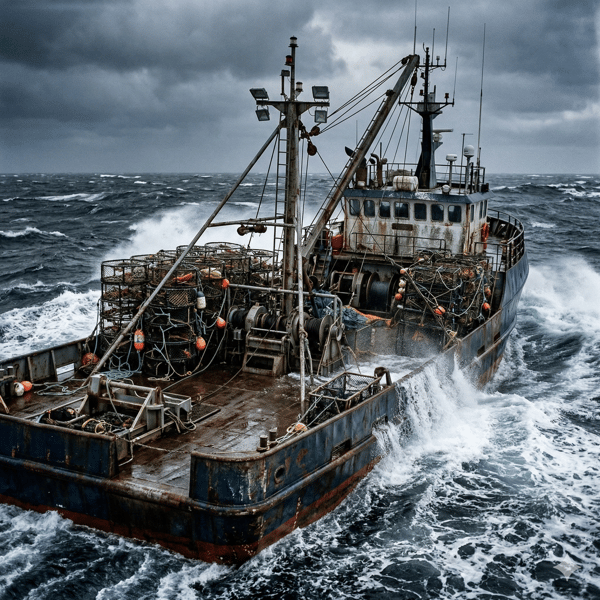
Reports indicate the vessel was participating in commercial crabbing operations in the Bering Sea, an area widely recognized as one of the most dangerous fishing grounds in the world.
Why Commercial Fishing Remains One of the Most Dangerous Jobs
Commercial fishing consistently ranks among the most hazardous occupations in the United States.
Fishing crews often work:
• in extreme weather
• on moving decks
• with heavy equipment
• in freezing water temperatures
• hundreds of miles from shore
Falls overboard are one of the leading causes of death in the commercial fishing industry.
In cold northern waters such as the Bering Sea, survival time after immersion can be extremely limited, especially when waves, wind, and freezing temperatures are involved.
The Rights of Families After a Fishing Vessel Death
When a fishing vessel worker dies at sea, surviving family members may have important legal rights under federal maritime law.
Depending on the circumstances, families may be able to pursue claims under Jones Act maritime injury cases if negligence contributed to the death.
In addition, when deaths occur far offshore, federal maritime statutes may allow a wrongful death claim to be brought on behalf of surviving family members such as:
• spouses
• children
• parents
• other dependents
These cases may involve questions such as whether unsafe working conditions existed aboard the vessel or whether proper safety procedures were followed.
Each situation depends on the facts surrounding the incident.
Could Television Production Affect Liability?
The case has drawn additional attention because the fishing vessel was reportedly involved in filming for the long-running television series Deadliest Catch.
Reality television programs that document commercial fishing operations often involve production companies and film crews operating alongside vessel crews.
Depending on the facts, production companies or other third parties could potentially face legal exposure if their actions contributed to unsafe conditions.
For example, liability questions may arise if production decisions:
• interfered with normal vessel operations
• created additional hazards
• pressured crews to work in unsafe conditions
• affected safety procedures
Determining whether production activity played any role would depend on the results of the ongoing investigation and any available evidence.
Investigations After Fatal Fishing Vessel Accidents
Fatal accidents aboard fishing vessels are typically investigated by the Coast Guard.
These investigations examine factors such as:
• weather conditions
• vessel safety procedures
• crew training
• equipment and deck conditions
• witness statements
• onboard video or electronic evidence
The purpose of these investigations is to determine the cause of the incident and identify any safety issues that may have contributed to the tragedy.
Why Early Legal Guidance Matters for Families
The death of Todd Meadows, a deckhand working aboard a commercial fishing vessel in the Bering Sea, has drawn national attention to the dangers commercial fishermen face at sea. After a fatal accident at sea, families are often left facing sudden financial and emotional hardship.
Understanding the legal options available under maritime law can help families protect their rights and determine whether compensation may be available.
These cases often involve complex federal maritime laws that differ significantly from typical land-based wrongful death cases.
Early legal guidance can help ensure that important evidence is preserved and that families understand the options available to them during an extremely difficult time.
The details described above are based on publicly reported information. The incident remains under investigation.
Frequently Asked Questions
What causes fishing vessel deaths at sea?
Common causes include falls overboard, vessel disasters, equipment accidents, and extreme weather conditions.
Can families sue after a fishing vessel death?
Yes. Depending on the circumstances, family members may pursue claims under maritime law if negligence contributed to the fatal accident.
Can third parties be liable for a fishing vessel death?
In some situations, companies other than the vessel owner may be responsible if their actions contributed to unsafe conditions.
Start a Case
If your family member was killed while working aboard a fishing vessel or another maritime job, you can contact our maritime injury attorneys to discuss your situation.
Call (877) 724-7800 for a confidential consultation, or submit a message through our contact form.
There is no fee unless we win your case.


.svg)