The attack and the injuries it left behind
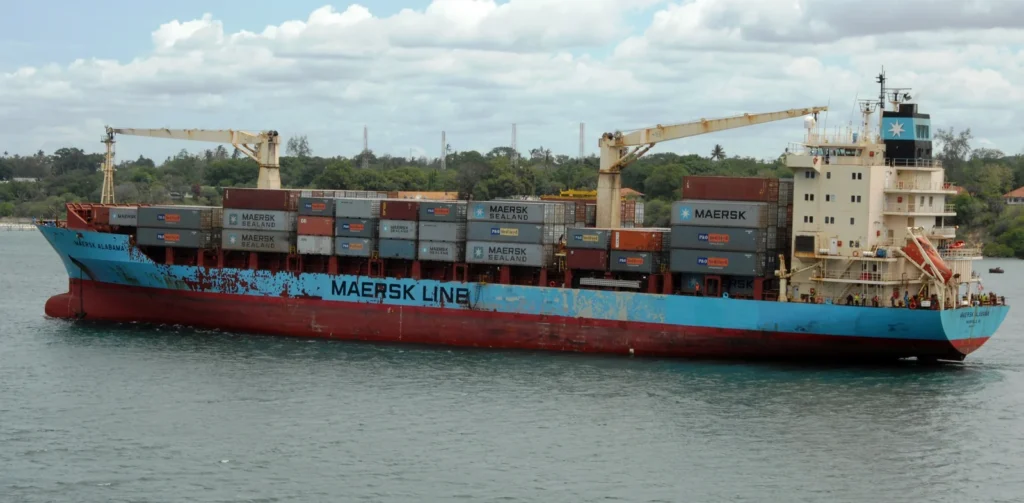
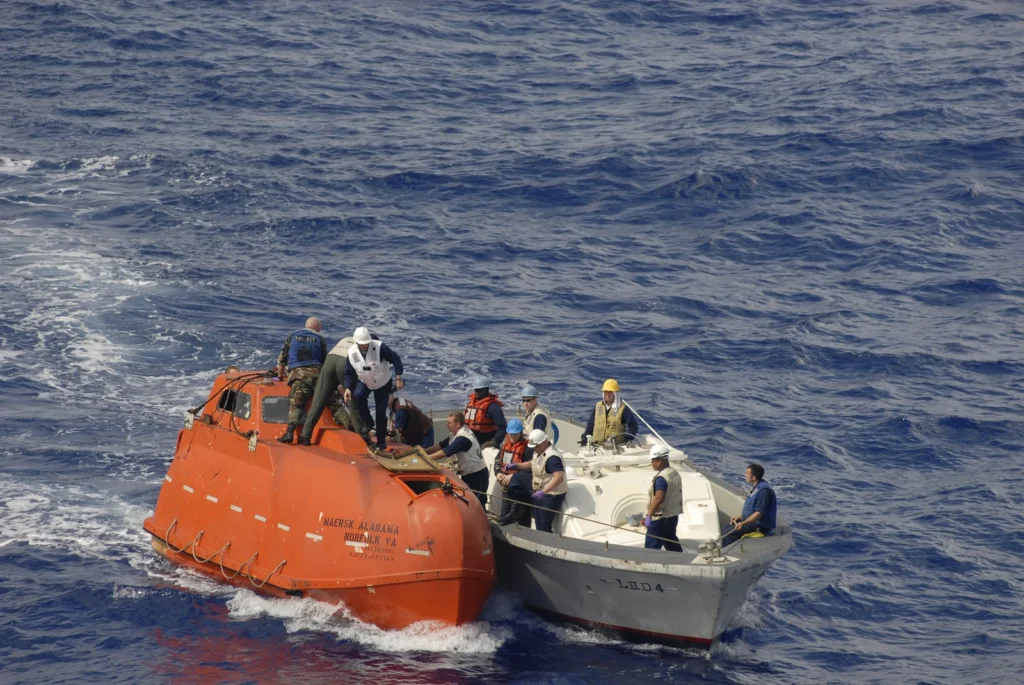
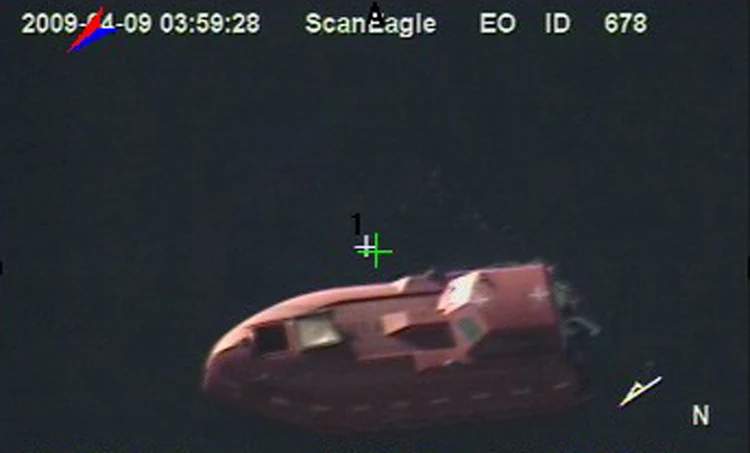
On April 8, 2009, four armed pirates boarded the Maersk Alabama off the coast of Somalia. The American container ship was bound for Mombasa, Kenya. Crew members took shelter in the steering room, a confined compartment without food or water, while the pirates searched for them. The men resisted the attack and captured one of the pirates. Captain Richard Phillips was taken from the ship in a lifeboat.
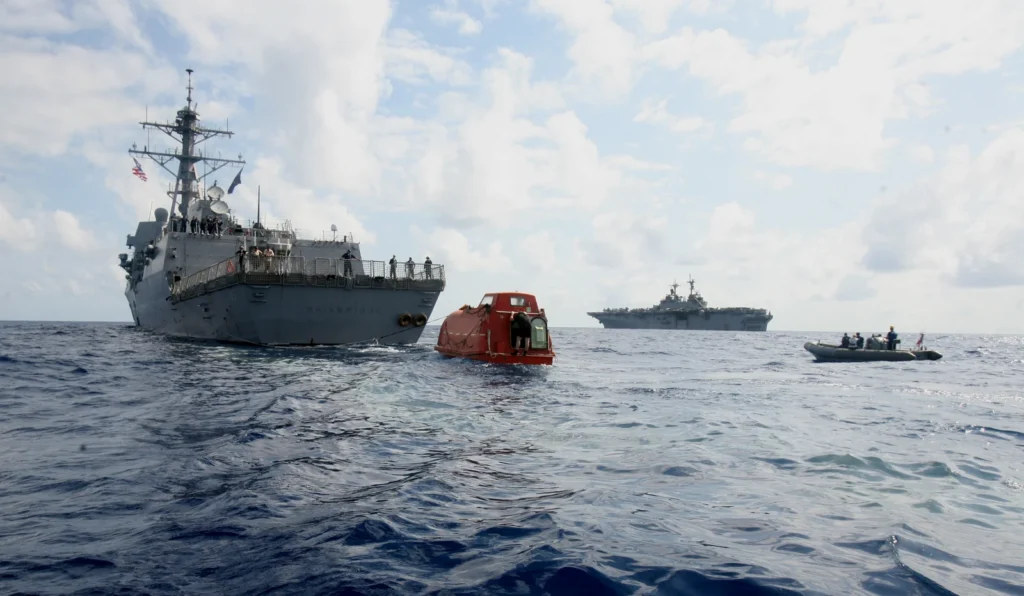
The U.S. Navy rescued Phillips on April 12. The hijacking had become international news. For the crew, the end of the hostage crisis also marked the beginning of medical, financial and legal questions arising from their injuries.
Nine crew members hired Brian Beckcom. As lead counsel, Brian pursued their claims against Maersk Line, Limited and Waterman Steamship Corporation. The men sought compensation for physical and emotional injuries, medical expenses and lost work.
Brian's work required examining what had happened before the pirates boarded: the warnings available to the companies, the routing decisions and the protection supplied to the crew. The attack was the event that brought the case to public attention. The companies' preparations for that danger were central to the lawsuit.
The warnings, the route and the security decisions
The April 2012 complaint set out the routing issue in concrete terms: the companies had received a warning to remain at least 600 miles off Somalia, yet sent the ship within approximately 250 miles of the coast. Brian also pursued claims concerning the crew's training, the ship's security and whether the precautions were adequate for the voyage.
Maersk and Waterman disputed negligence, foreseeability and whether additional security measures would have prevented the harm. Brian's case connected the warnings to the decisions made before the attack and to the injuries the individual crew members suffered.
That required examining both the immediate violence and the work environment the companies had provided. The legal question extended beyond who carried the weapons. It concerned whether the companies responsible for the crew's safety had taken reasonable steps to address a danger they could foresee.
Why the crew could bring Jones Act claims
The men were working seamen aboard a vessel. The Jones Act, 46 U.S.C. § 30104, allows a seaman injured in the course of employment to bring a negligence action against the employer, with a right to a jury trial. Brian used that remedy to examine the employers' responsibility for the conditions in which the men had been sent to work.
Brian also pursued unseaworthiness claims under general maritime law. That separate duty requires a vessel owner to furnish a ship reasonably fit for its intended service. As the Supreme Court has explained, it is independent of the employer's duty of reasonable care under the Jones Act. The crew's unseaworthiness claim concerned whether the vessel's protections were adequate for this voyage.
The distinction matters because the employer, vessel owner and operator can have different responsibilities. Identifying the responsible companies and the duties attached to their roles was part of Brian's work. Those questions also arise in maritime cases involving unsafe equipment, medical care and the way work is directed aboard a vessel. Read more about Jones Act claims and unseaworthy vessels.
Litigation in Texas, Alabama and Virginia
The litigation began in Texas in 2009. Before the injury claims could reach trial, Brian had to address challenges to the Texas courts' authority over the companies. Jurisdiction determines whether a particular court can require a defendant to answer the lawsuit.
In 2011, the Texas First Court of Appeals upheld jurisdiction over Maersk but held that Waterman lacked sufficient Texas contacts. The companies' different relationships with Texas produced different jurisdictional results.
On April 9, 2012, the crew filed a complaint against both companies in Mobile County, Alabama. The litigation also reached Norfolk Circuit Court in Virginia. An official Senate disclosure lists the nine crew members' Virginia cases against Maersk, filed that same day.
Brian's work extended across those proceedings, with jurisdiction disputes, witness testimony and motion practice to manage alongside the underlying injury claims. The need to establish the proper court was part of the litigation itself. It determined where Brian could pursue the clients' claims and prepare them for trial.
Captain Phillips's deposition and the film
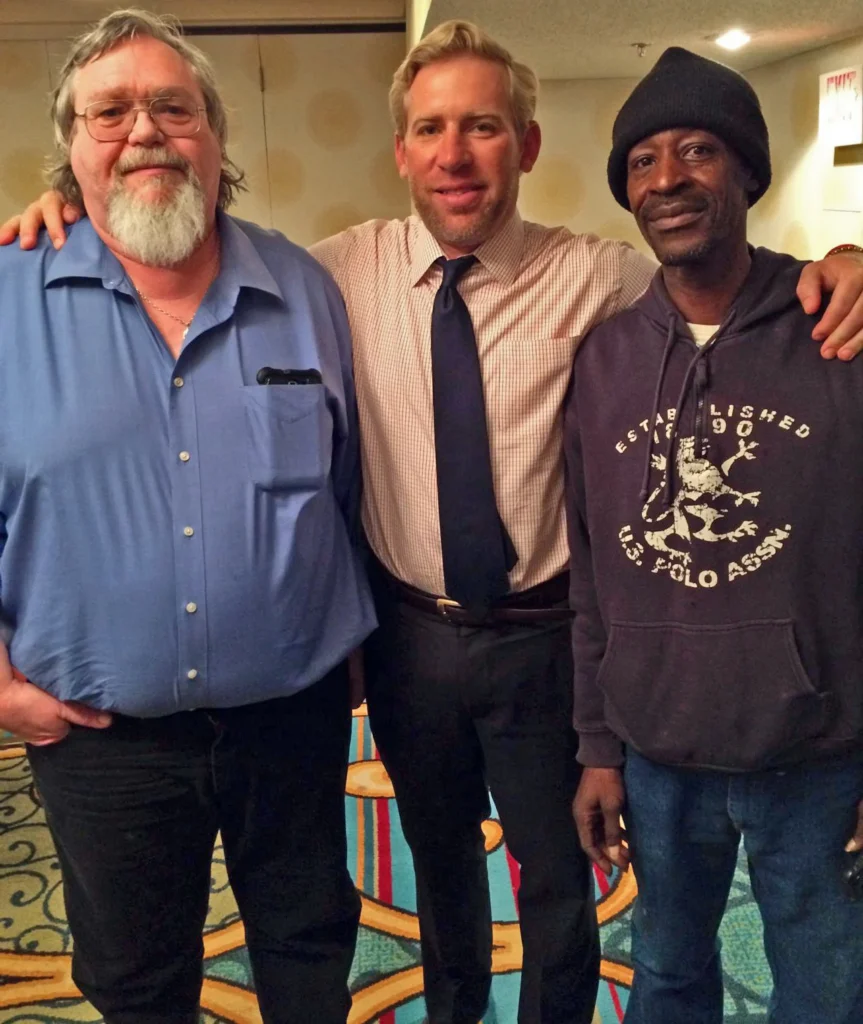
Brian led discovery that included more than a dozen depositions and litigated dozens of motions. Captain Phillips testified under oath during that work. His deposition remains confidential. Brian represented the crew members pursuing injury claims; Phillips's role in those cases was as a witness.
During the litigation, the film Captain Phillips brought the hijacking to a wider audience. Brian has described the challenge of preparing the crew members' cases while the film shaped public understanding of the attack. The lawsuit required him to examine the voyage, the warnings, the security decisions and the consequences for the clients through evidence and testimony.
The injuries remained individual even when the event became famous. Brian pursued compensation for the clients' medical needs, lost earnings and the continuing effects of what had happened aboard the ship.
A Confidential Settlement for each client
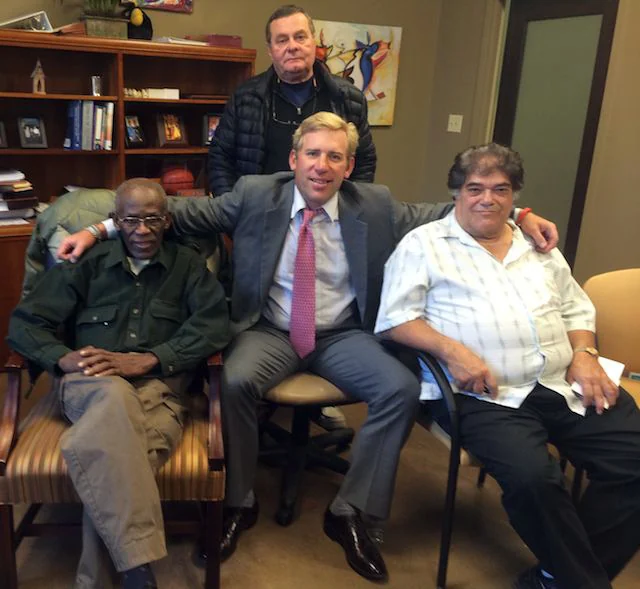
Brian negotiated a Confidential Settlement for each of the nine crew members he represented. The cases resolved on the eve of trial in Mobile. The amounts and other financial terms remain private.
The resolutions followed years of work on the companies' responsibilities and the clients' injuries. Brian had pursued the cases across state lines, addressed the jurisdiction challenges, questioned witnesses and prepared the claims for trial. Each client's case ended through a negotiated agreement.
The maritime work behind a famous case
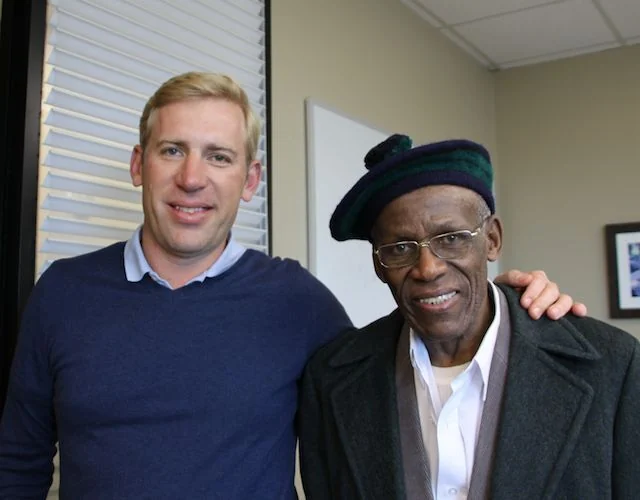
The Maersk Alabama cases brought several parts of maritime injury law into the same litigation: seamen's rights under the Jones Act, the separate duty of seaworthiness, the responsibilities of different companies and the courts in which those claims could proceed. Brian had to develop the factual record while keeping those legal questions in view.
Brian Beckcom is Board Certified in Personal Injury Trial Law by the Texas Board of Legal Specialization. His maritime injury practice includes representing seamen and families in Jones Act and other maritime claims. The Maersk Alabama litigation provides a documented example of that work, from the investigation of shipboard safety decisions to the resolution of individual clients' cases.
If you were injured while working aboard a vessel, or lost a family member, Brian can review what happened and explain the questions that need to be answered. The first conversation is free.
What the evidence showed
- Warnings and routing. Brian examined the piracy warnings and the decision about where the ship would sail.
- Vessel security. Brian pursued claims concerning the protection and training supplied for the voyage.
- Witness testimony. Brian's discovery work included more than a dozen depositions, including Captain Phillips's deposition.
- Three-state litigation. Brian pursued the crew members' claims through proceedings in Texas, Alabama and Virginia.
- Individual outcomes. Brian negotiated a Confidential Settlement for each of the nine crew members he represented.
The work and the result
Brian Beckcom served as lead counsel for the nine represented crew members.
More from the record
Frequently Asked Questions
Every case is different. Prior results depend on the facts of the individual case and do not guarantee a similar outcome.