Yes. Captain Phillips draws on the real April 2009 hijacking of the Maersk Alabama, but the film tells only part of the story. I represented nine crew members whose lawsuit examined the warnings, routing and security decisions that preceded the attack. Their experience and their claims extend beyond the rescue that brought the story worldwide attention.
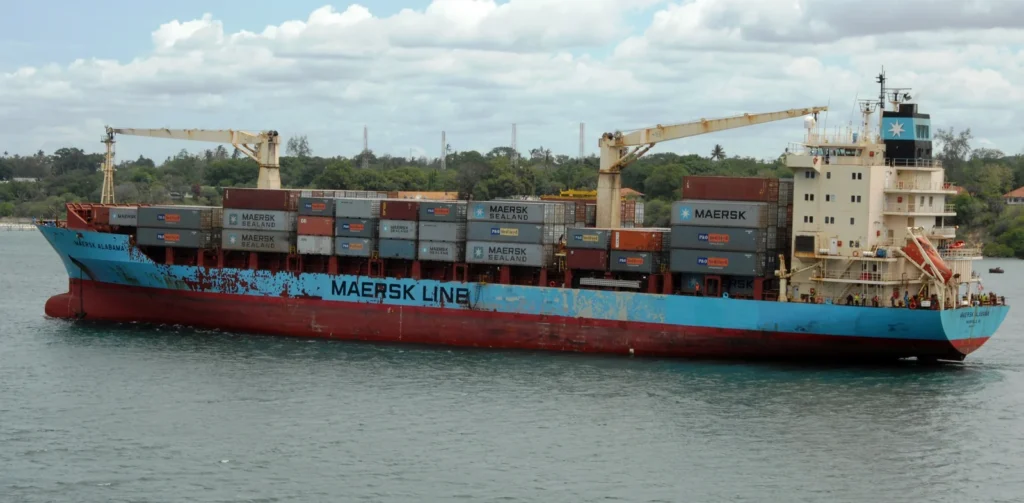
The real attack on the Maersk Alabama
On April 8, 2009, four armed pirates boarded the American container ship off Somalia. The crew resisted the attack and captured one of the pirates. The other pirates took Captain Richard Phillips from the ship in a lifeboat and held him hostage. The U.S. Navy rescued Phillips on April 12.
The Justice Department’s account of Abduwali Muse’s criminal case states that all four pirates carried guns. Muse later pleaded guilty to maritime hijacking, kidnapping and hostage-taking charges, and a federal judge sentenced him to 405 months in prison in February 2011. That criminal case addressed the attackers’ conduct. The crew’s civil claims examined the shipping companies’ responsibilities.
How accurate is the movie?
Sony Pictures describes the film as a drama based on the 2009 hijacking, with Tom Hanks portraying Phillips. Its focus on the captain does not provide a complete account of the crew’s experience or the litigation that followed.
For my clients, the important questions began before the pirates boarded. What warnings had the companies received? Who chose the route? What protection and training did the companies provide? The rescue answered the immediate hostage crisis. It did not resolve the injured crew members’ claims.
The crew’s resistance also matters. These men worked aboard the ship, confronted the danger and took action during the attack. Their civil case required evidence about that experience and the effect on each client, rather than an assumption that the end of the rescue ended the harm.
The warnings and the route
Piracy off Somalia already posed a documented danger to merchant shipping in 2009. A Senate hearing on the threat described attacks far beyond the immediate coastline and the need for an international response. A fixed distance from shore did not create a guaranteed safe boundary.
The crew’s April 2012 complaint alleged that the companies had received a warning to remain at least 600 miles off Somalia but sent the ship within approximately 250 miles of the coast. The complaint also challenged the security and training the companies supplied and alleged that financial considerations drove their decisions.
Those statements describe the crew’s allegations. Maersk and Waterman disputed negligence, foreseeability and whether additional security would have prevented the harm. My work required connecting the warnings and the decisions before the voyage to the injuries the individual crew members suffered.
How I became a lawyer for the crew
A crew member contacted me after the hijacking. I ultimately represented nine Maersk Alabama crew members against Maersk Line, Limited and Waterman Steamship Corporation. I did not represent Captain Phillips.
The public attention initially centered on the Navy rescue. The civil case required a different investigation: the companies’ knowledge of the danger, the route, the precautions available to the crew and the injuries that followed. I pursued the crew’s claims under the Jones Act and general maritime law.
Those claims concerned the work environment the companies provided. The fact that pirates committed the attack did not end the inquiry into whether the companies had taken reasonable steps to address a foreseeable danger. The evidence and governing law had to establish the companies’ responsibility.
The work behind the lawsuit
The litigation began in Texas and also involved proceedings in Alabama and Virginia. Before the injury claims could move forward, I had to address disputes over which courts could exercise authority over the companies. Those jurisdictional issues became a substantial part of the work.
The Texas First Court of Appeals’ August 25, 2011 opinion illustrates the distinction. The court upheld jurisdiction over Maersk but reached a different result for Waterman. A ruling about where a company must answer a lawsuit does not itself decide whether that company caused an injury.
I also examined witnesses and pursued discovery about the voyage and the companies’ security decisions. Captain Phillips testified under oath during that work. His deposition remains confidential, so I discuss it only in broad terms.
Our Maersk Alabama Case Result explains the public record, the proceedings and the outcome. My longer account of the litigation addresses the work across the three states.
How the crew’s claims ended
I negotiated a Confidential Settlement for each of the nine crew members I represented. The amounts and confidential terms remain private. The settlements resolved their claims without a trial deciding every disputed allegation.
The outcome matters, but the work that led to it matters too: identifying the responsible companies, examining what they knew before the attack, developing the injury evidence and pursuing the claims in the appropriate courts. That is the part of the story a film about the hostage crisis cannot fully tell.
What the case means for maritime safety
The Maersk Alabama litigation helped strengthen maritime safety and security for U.S. seamen. Its importance lies in asking companies to account for the protection they provide when they send people into dangerous waters. The case does not establish a universal rule that every voyage requires the same security measures or that one lawsuit ended piracy.
Piracy remains a threat. In an August 2026 statement, the International Maritime Organization called for action after renewed hijackings in the Gulf of Aden and surrounding waters. That continuing danger reinforces the need to evaluate the actual route, warnings and security arrangements for each voyage.
The real Captain Phillips story includes a rescue, the crew’s resistance and the legal work that followed. For the men I represented, the question was how the companies had prepared for a known danger and how they would answer for the harm the men suffered. To learn more about that work, read the crew’s Case Result or my attorney biography.