A hatch above the engine-room ladder
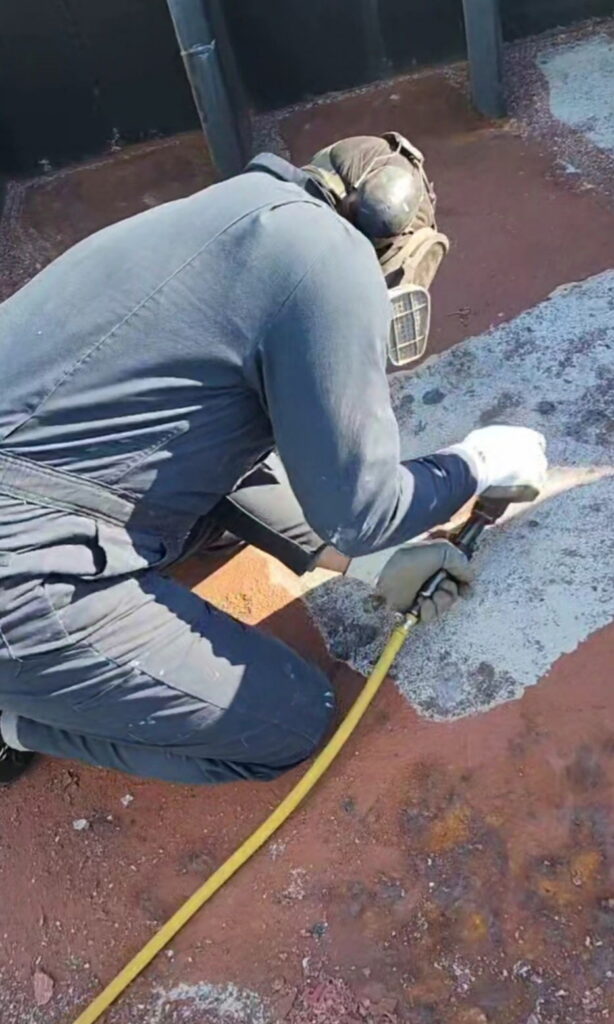
The steel hatch above the engine-room ladder was marked EMERGENCY EXIT, KEEP CLEAR. During paint-preparation work aboard the tug Candace, the hatch cover came down on Najee Hubbard's head.
Najee was a deckhand and able-bodied seaman for Weeks Marine, Inc. He had made his living on the water. After the July 21, 2024 incident on the Houston Ship Channel, the case would turn on the details of that hatch, the training provided to operate it, and the medical response to his injuries.
Brian Beckcom served as lead trial counsel. The case resolved through a favorable confidential settlement over the weekend before jury selection in Harris County. The settlement terms remain confidential. The defendants disputed the allegations; the account below describes the claims and evidence developed in the litigation, not findings made by a jury.
What happened aboard the Candace
The hatch had a multistep latching mechanism. The investigation examined how the crew opened and secured it, whether the work arrangement kept it safely open, and what instruction Najee had received before working around it.
The case record included testimony about using a rubber mallet to operate the locking mechanism. Crew familiarization records and the chief engineer's testimony became important to the training issue. The case also examined the use of the escape hatch as a work route during paint preparation.
A general statement that equipment was safe could not answer those questions. The mechanism, the work method, and the instruction given to the person using it each required examination.
The injuries affected his ability to work
After the hatch injury, Najee continued working while reporting symptoms. The medical issues in the case included post-concussion syndrome, cervical disc injuries, and shoulder injuries involving the rotator cuff and labrum.
The case examined the initial telemedicine response, the care that followed, and the effect of his symptoms on the work he had previously performed. Medical evidence and employment records were needed to explain both the injury and its consequences.
For a working mariner, the financial questions extend beyond a missed hitch. Treatment needs and the ability to return to the same physical work can affect future earnings. Those losses must be supported by the medical and employment evidence in the individual case.
The maritime duties at issue
The Jones Act, 46 U.S.C. § 30104, provides a negligence remedy against an employer for a qualifying seaman injured in the course of employment. In a hatch-injury case, relevant questions can include equipment condition, safe work procedures, supervision, and training.
Unseaworthiness is a separate general maritime law doctrine concerning whether a vessel, its equipment, and its crew are reasonably fit for their intended use. The two theories require their own analysis; an accident alone does not establish liability.
Maintenance and cure is another protection for qualifying seamen. It concerns basic living expenses and necessary medical care during recovery, generally without requiring proof of employer negligence. It is distinct from employer-provided group health insurance.
A favorable confidential settlement before jury selection
The case was set for trial in the 157th Civil District Court of Harris County, Texas, before Judge Tonya Garrison. Following pretrial proceedings, jury selection was scheduled for Tuesday morning. The parties reached a favorable confidential settlement over the final weekend, two days before trial.
The settlement resolved the dispute without a jury verdict. Its terms are confidential, and no amount or range is disclosed here.
Preparation gave Najee a developed record on which to consider resolution. That is the useful lesson for an injured worker: evaluate a proposed settlement against the evidence, medical needs, financial losses, and risks of proceeding. The decision whether to accept belongs to the client.
Why experience with vessel injury cases mattered
This case required the team to understand how a particular piece of vessel equipment worked and explain its operation in the courtroom. It also required connecting the training and incident evidence to the medical and employment record.
Brian Beckcom, lead trial counsel in Hubbard, is Board Certified in Personal Injury Trial Law by the Texas Board of Legal Specialization. His role was to prepare the case, explain the available choices, and help Najee make an informed decision.
Read what it is like to work with Brian and the VB Attorneys team, or see the practical guide for workers injured on the Houston Ship Channel.
What the evidence showed
- The hatch and its operating procedure. Drawings and testimony helped explain the locking mechanism and how crew members used it.
- Crew training. Familiarization records and testimony addressed the instruction provided for that mechanism.
- The response to the injury. Medical records, reports of symptoms, and witness accounts documented what happened after the hatch struck Najee.
- Employment and benefits records. The team examined the records surrounding his continued work, changes in benefits, and the end of his employment.
- Medical and financial consequences. Expert evidence addressed the injuries and their effect on his ability to earn a living.
More from the record
Frequently Asked Questions
Every case is different. Prior results depend on the facts of the individual case and do not guarantee a similar outcome.