A winch kicked backward on the Ohio River
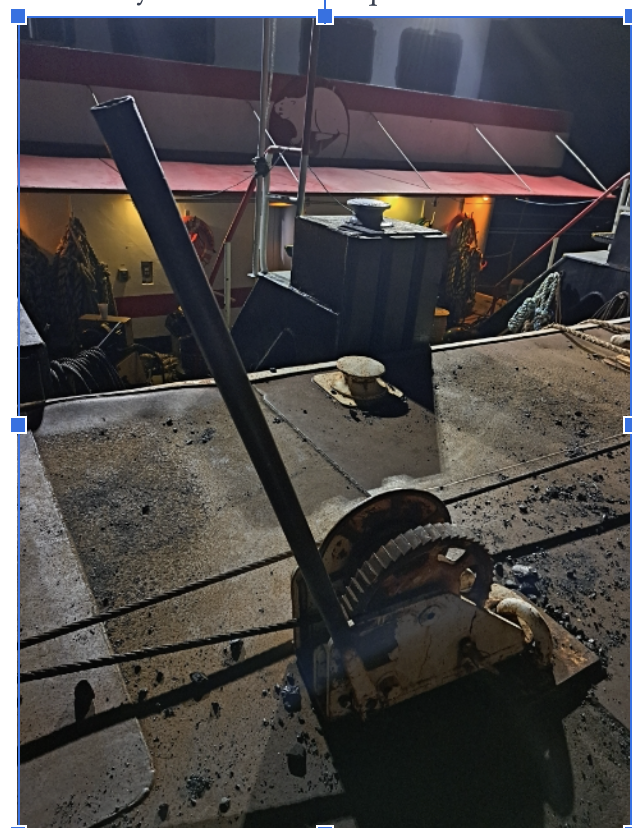
In the early morning of August 11, 2022, Trenton was working as a deckhand for Excell Marine. Wires had become tangled, and he was using a winch fitted with a long metal bar, commonly called a cheater bar, to deal with the problem. The equipment rebounded and struck him around the eye.
The blow fractured bones in his face and caused a brain injury. He required facial reconstruction surgery. His medical history described bleeding in and around the brain, impaired vision, and continuing problems with his jaw and neck.
Headaches, memory problems, mood changes and difficulty finding words continued after the initial hospitalization. Those symptoms affected his ability to learn, concentrate and return to maritime work, with consequences for both his daily life and his future career.
The case focused on equipment, training, and earlier warnings
Brian pursued Jones Act negligence and vessel-unseaworthiness claims. The team’s position was that the winch required specific precautions and training, and that the crew had been left to work with unsafe equipment and tangled wires.
The investigation examined how this winch differed from others, what the company knew about previous incidents, and what the crew had been told before Trenton was hurt. Alongside that work, the medical investigation addressed the care and support he would need after the initial injury.
The captains explained the danger
In his deposition, Captain Mike Russell agreed that the winches involved in the case differed from other winches used in the industry. Asked whether wheel-operated winches were safer, he answered yes. Multiple captains acknowledged safety problems with the type that injured Trenton.
Russell also testified that the wires had become tangled during the previous watch. Brian used the captain testimony to connect the equipment’s design and operating method to the need for training, and to explain why the prior crew’s handling of the wires mattered to the claim.
An earlier injury and several near misses
The investigation uncovered an earlier injury involving this type of winch. The company’s corporate representative agreed that it was close to the same situation as Trenton’s. Asked whether the company made changes after that incident, the representative said no. Another captain, Tim Collier, described seeing between three and five near misses.
Brian brought that history into the liability presentation to show why the company’s response before Trenton’s injury mattered.
Building the evidence for future care
Brian worked with doctors evaluating the brain injury and its continuing effects. The damages presentation addressed medical needs, lost earning capacity and changes in Trenton’s daily life, including the difficulties that memory and concentration problems could create for retraining.
An initial mediation did not resolve the case. The team continued discovery and medical work, including a new life-care analysis by Dr. Brandon Goff that expanded the earlier assessment of future treatment needs. Brian incorporated that analysis into a renewed demand in August 2024.
A confidential settlement in September 2024
The case resolved on September 26, 2024, after further negotiations. The settlement amount and terms remain confidential.
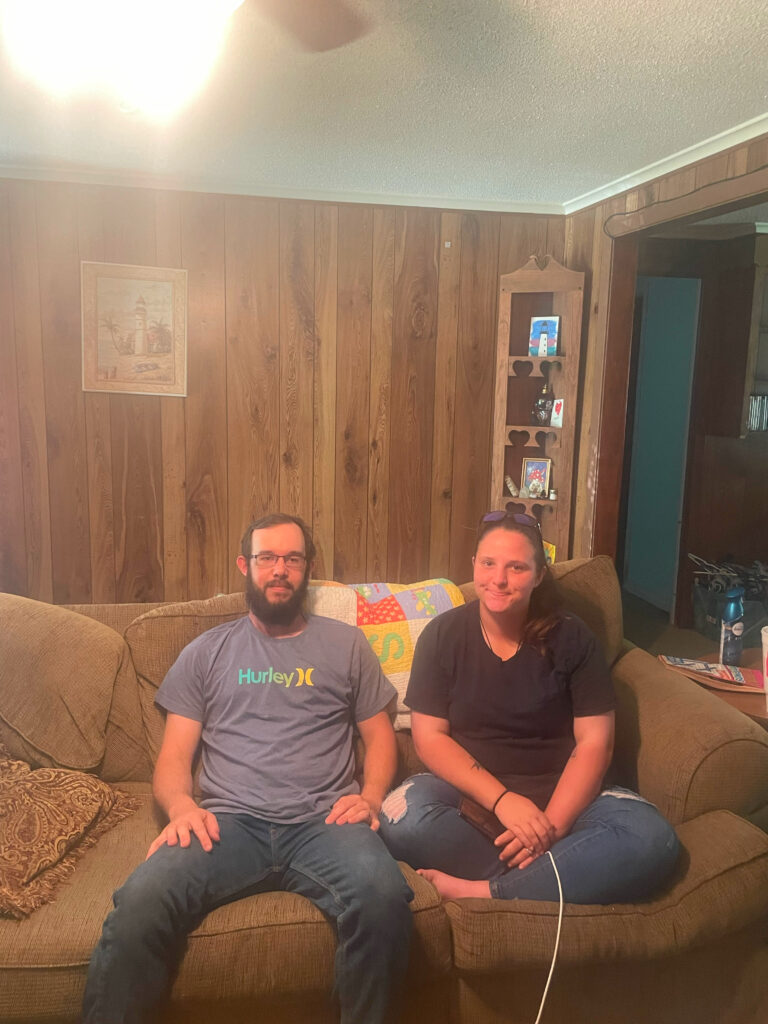
The resolution followed the development of both the equipment-safety evidence and the medical record. Trenton was very satisfied with the outcome.
After the case
Practice experience
Meet the attorneys
Related case results
Frequently Asked Questions
Every case is different. Prior results depend on the facts of the individual case and do not guarantee a similar outcome.