A lifting operation went wrong
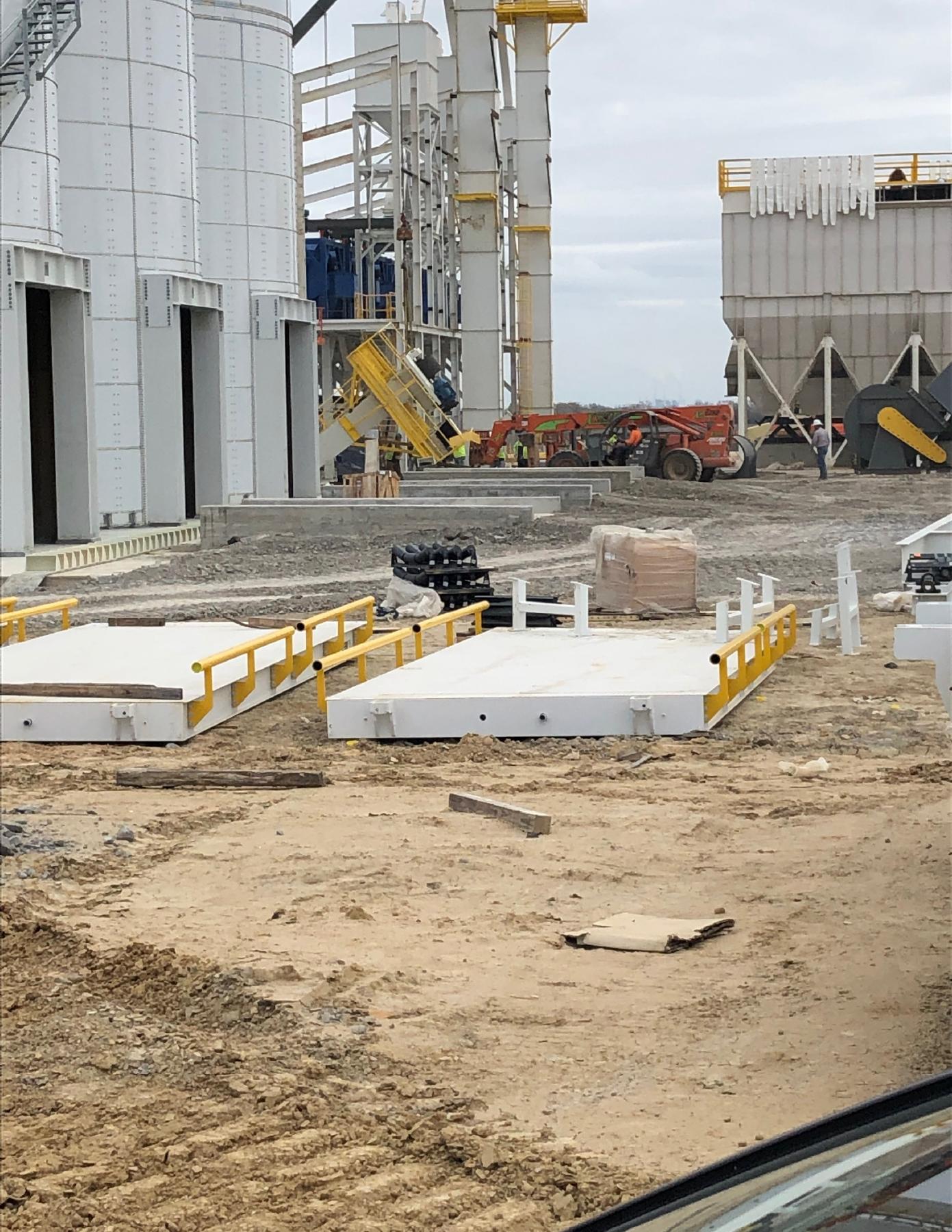
At the construction site of a new sand plant, our client supervised work on a bucket elevator. During an operation involving a bucket elevator, he fell. His fall protection lacked a proper tie-off. The injuries included orthopedic trauma and a brain injury.
The circumstances presented a difficult liability question. The client worked for a contractor, and the initial account appeared to place responsibility with him or his own company. To pursue the site owner, Brian and Brendan needed evidence about what the owner’s people actually did on the project.
The safety plan and the people directing the job
Brian and Brendan examined the project’s safety plan and developed evidence about the owner’s involvement in the operation. The plan called for a more active approach to safety than the client said the owner provided.
The attorneys also developed testimony that a supervisor for the site owner may have been present and directed the action that led to the fall. That evidence put the owner’s role in dispute.
Building the testimony to challenge the defense
The site owner raised Chapter 95 as an affirmative defense. The defense created a serious obstacle to the claim, and Brian and Brendan addressed it directly.
The attorneys took their own client’s deposition to develop testimony about the owner’s presence at the site and responsibility for safety. They then filed a motion for summary judgment challenging the Chapter 95 defense.
The owner responded. With the testimony creating a factual dispute, the defense agreed not to pursue its own summary-judgment motion on that issue. The testimony allowed the team to continue pursuing the claim.
A confidential settlement
The case resolved through a confidential settlement after years of litigation. Brian Beckcom and Brendan Fradkin worked together on the matter.
Related help
Every case is different. Prior results depend on the facts of the individual case and do not guarantee a similar outcome.