How trampoline park injuries happen
Commercial trampoline parks combine jumping courts with basketball areas, dodgeball courts, foam pits and other attractions. Each area creates different questions about equipment, spacing, participant movement and supervision. An investigation must identify the precise surface or activity involved and follow the sequence that led to the injury.
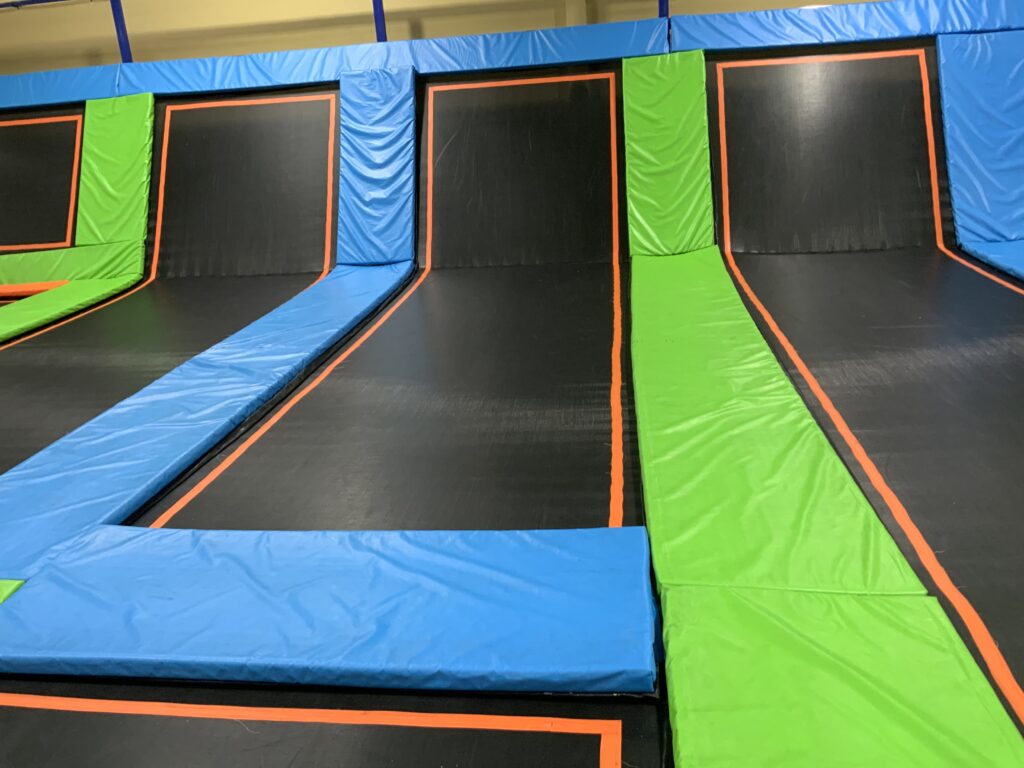
Jumping beds, springs and protective padding
A jumping surface works together with its springs, frame, supports and surrounding padding. We examine tears, loose connections, exposed hardware and gaps between surfaces. We compare the condition at the time of the injury with inspection logs, repair histories and the manufacturer’s instructions.
That comparison helps distinguish deterioration, improper installation and maintenance failures from problems in the equipment’s original design. It also helps identify who controlled the condition and whether earlier inspections or complaints gave the park a reason to act.
Shared courts, basketball and dodgeball
When several people use an attraction, their movements can affect one another. We reconstruct who entered the area, where each person jumped and what employees could see. Video may show a collision, repeated crowding or an employee’s instruction that a short incident report never mentions.
We also examine how the park assigned staff, communicated rules and responded to unsafe conduct. A supervision claim needs that detail. The mere presence of an employee does not answer whether the park operated the attraction with reasonable care.
Foam pits, platforms and transitions
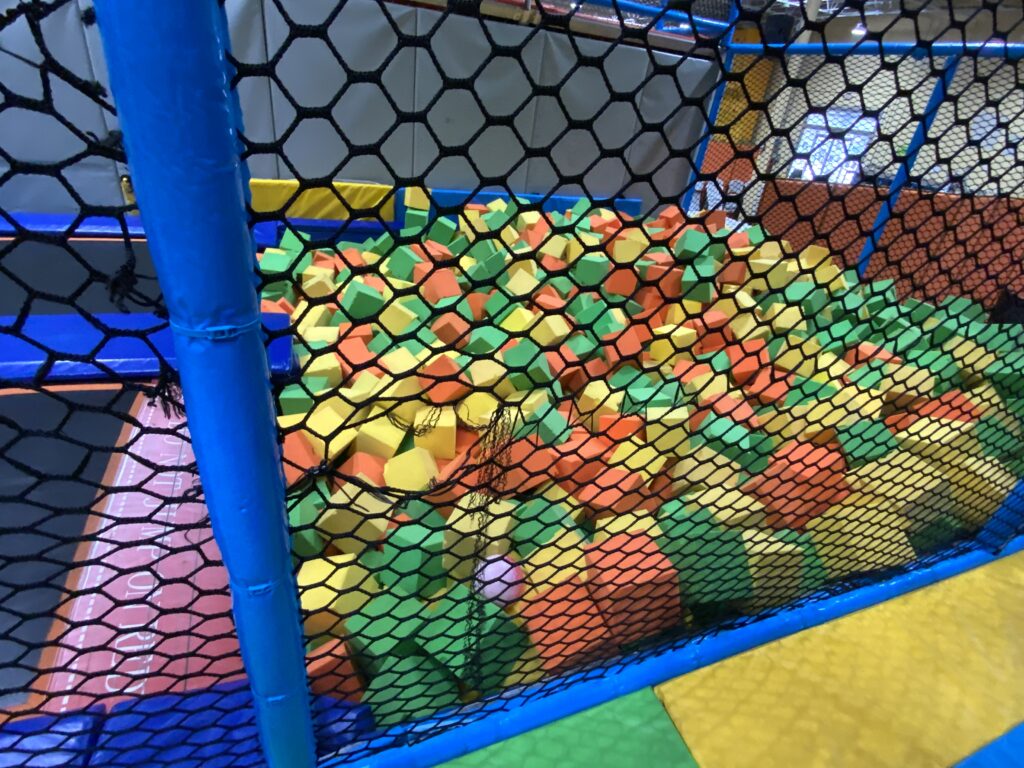
A foam pit requires investigation of the landing system beneath the visible blocks, the entry point and the activity the park allowed. Platforms, barriers and transitions between attractions raise additional questions about falls, clearances and access. An engineer or other qualified expert can evaluate the relevant configuration and compare it with the manufacturer’s requirements and applicable standards.
We connect that technical work to the injury itself. An equipment concern matters to the claim only if the evidence connects it to what happened.
Who bears responsibility under Texas law?
The brand on the building does not always identify the company that operated the park, maintained the attraction or controlled the property. We investigate those relationships before deciding whom to pursue. Operating agreements, maintenance contracts and equipment records can reveal who made the decisions that mattered.
Dangerous conditions and premises liability
For a paying visitor’s premises-liability claim, Texas law generally requires proof that the responsible owner or occupier knew, or should have known, about a condition that posed an unreasonable risk. The visitor must also show that the defendant failed to use reasonable care to reduce or eliminate the risk and that the failure caused the injury.
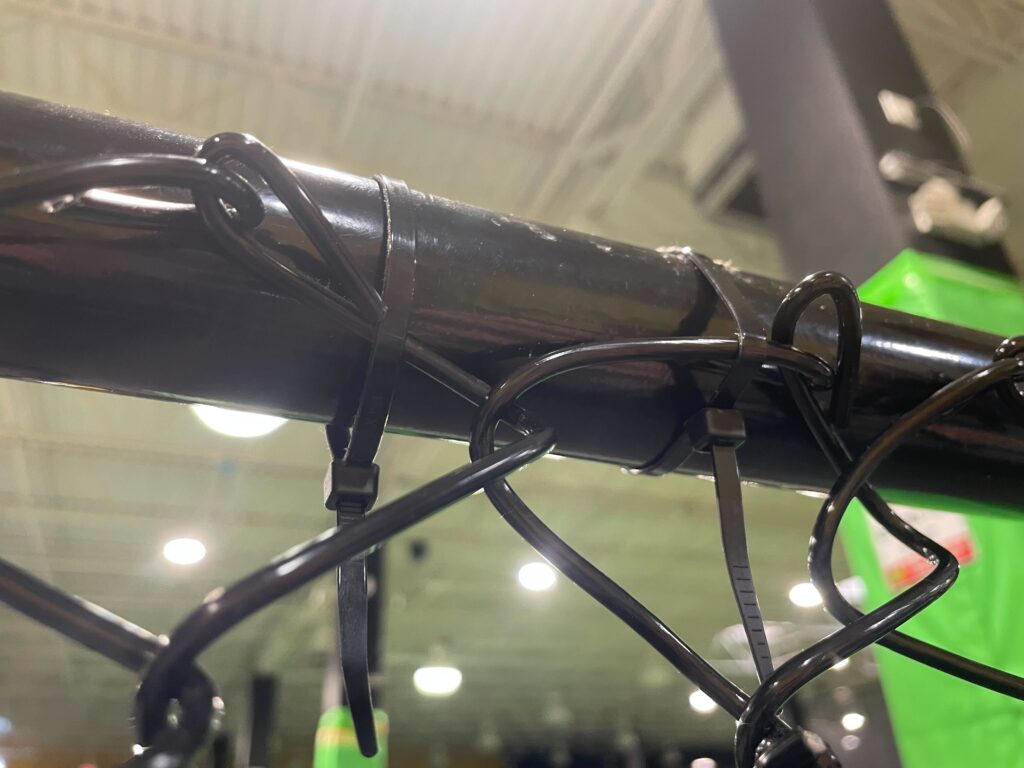
A worn pad or damaged barrier therefore raises questions beyond its condition after the accident. How long had the problem existed? Who inspected the area? Did anyone report it? We seek the records and testimony that answer those questions.
Negligent conduct during an activity
Texas courts distinguish a dangerous property condition from negligent activity that causes an injury as it occurs. An employee’s conduct while directing or participating in an activity may require a different analysis from a claim about broken equipment. We develop the claim around the actual cause and the duty that applies, rather than treating every park injury as the same lawsuit.
Defective equipment and product liability
An equipment defect may support a claim against a manufacturer or another responsible party. We investigate the product’s design, manufacture and warnings, along with any later alterations. Texas design-defect claims generally require proof of a feasible safer alternative design and a connection between the defect and the injury. Special rules also limit claims against sellers that did not manufacture the product.
Preserving the equipment matters here. An inspection can lose much of its value if someone replaces the failed component or discards the original parts before an expert examines them.
What a trampoline waiver actually changes
Parks often combine several agreements in one electronic form. A liability release addresses claims the signer gives up. An arbitration clause addresses the forum for resolving disputes. An indemnity provision can create additional obligations. Each provision deserves separate attention.
We obtain the version that applied to your visit, identify the signer and review the parties the document covers. For a prospective release of a company’s own negligence, Texas fair-notice rules generally require clear language and conspicuous presentation. The wording, layout and circumstances of signing can affect the analysis.
Children’s agreements require particular care. A parent, a family friend and a birthday-party host do not necessarily have the same authority to sign for a child. Tell us who completed the form and whether anyone signed an earlier agreement for another visit.
The Texas Supreme Court’s Geter decision
On October 16, 2026, the Supreme Court of Texas decided UATP Management, LLC v. Geter, a trampoline park arbitration case. The Court held that the mother’s signature on her child’s behalf bound the child to arbitration. It also held that park affiliates who had not signed the agreement could enforce arbitration because the contract expressly protected them as intended third-party beneficiaries.
The Court explained that a court, rather than an arbitrator, decides whether those nonsignatories can invoke the agreement. Geter does not decide whether the park negligently caused the injury or establish that every trampoline release defeats every claim.
For your family, the practical question involves both liability and procedure: what claims remain available, which parties can invoke the agreement and where the case must proceed. We address those issues before committing to a litigation strategy.
Protecting the evidence after an injury
Seek medical care first. When you can, report the incident accurately and keep a copy of anything you submit. Save your reservation, receipt, waiver and confirmation emails. Preserve original photographs and videos, including footage that shows the surrounding area rather than only the point of impact.
Write down the time, the attraction’s location inside the park and the names of witnesses and employees. Keep messages from the park and its insurer. If you could not take photographs or collect names, tell us what you remember; do not delay a consultation while trying to assemble a complete file.
Our lawyers can send preservation demands for surveillance footage, inspection and maintenance records, incident reports, staff schedules and relevant electronic communications. We identify the cameras and time periods that may show the lead-up to the injury as well as the aftermath. We also evaluate whether the case requires a prompt equipment inspection.
Those requests begin the evidence work. Depending on the proceedings, we can pursue documents, question witnesses under oath and seek court assistance when a dispute requires it. The park’s account should face comparison with its records, the physical evidence and the people who saw what happened.
Keep existing material intact. Do not edit original files, remove equipment or enter restricted areas to investigate. Let your lawyer pursue access through the appropriate process.
Building a claim around the injury’s full cost
A fracture that requires surgery can disrupt far more than the week of the accident. Rehabilitation, follow-up care, missed work and help at home can continue long after the first hospital bill arrives. A head or spinal injury can change a person’s independence, education and ability to earn a living.
Brian Beckcom and VB Attorneys handle serious personal injury cases involving fractures, traumatic brain injuries, spinal cord injuries and other substantial harm. We build the medical and financial evidence alongside the liability investigation, so settlement discussions account for the recovery ahead.
Medical care and future needs
We review emergency records, imaging, surgical reports and rehabilitation records. Treating physicians help explain the diagnosis, the connection to the incident and the expected course of recovery. When lasting injuries call for future care, appropriate specialists can address treatment needs and costs.
A child’s case may require attention to development, school participation and future physical limitations. An adult’s case may involve restrictions that prevent a return to the same job. We ask the relevant doctors and experts to explain those consequences rather than estimating them from the initial diagnosis.
Income, pain and everyday limitations
Depending on the evidence and applicable law, a claim may seek compensation for past and future medical expenses, lost earnings, reduced earning capacity, physical pain, mental anguish, impairment and disfigurement. Payroll records and employment history can document financial losses. Medical testimony and specific accounts of daily limitations can explain harm that no invoice captures.
We also examine available insurance and reimbursement claims that may affect the amount you receive. Before you decide whether to settle, you should understand the proposed payment, the claims you would release and the future needs the agreement must address.
If a trampoline park injury causes a death, our wrongful death lawyers can evaluate the family’s and estate’s claims.
How Brian Beckcom and VB Attorneys handle the case
Brian Beckcom and Vuk Vujasinovic hold Board Certification in Personal Injury Trial Law from the Texas Board of Legal Specialization, a distinction held by less than 1% of Texas lawyers. Our lawyers take time to understand the injury, explain the choices and prepare the evidence each case needs.
For a trampoline park claim, that work brings together three investigations: how the attraction operated, what the entry agreement requires and how the injury affects your life. We identify the companies involved, pursue the safety and maintenance records, consult appropriate experts and prepare the evidence for the forum that will decide the dispute.
We also examine the defense. If the park claims you ignored a rule, we compare that allegation with the instructions, footage and witness accounts. If it points to another jumper, we investigate both that person’s conduct and the park’s role. Under Texas proportionate-responsibility law, a claimant’s share of fault can reduce recovery; a share greater than 50 percent bars recovery in claims the statute covers.
Your lawyer explains significant developments and settlement proposals. You decide whether to accept a settlement. Our preparation gives you the evidence and advice to make that decision.
We offer a free initial consultation and handle accepted injury cases on a contingency fee basis. The written representation agreement explains the fees and expenses before we begin representation.
Texas deadlines for trampoline injury claims
Texas generally requires a personal injury lawsuit within two years after the claim accrues. For a child who holds the claim, minority generally pauses that limitations clock. A child’s age does not automatically extend a parent’s separate claim or every other deadline that may apply.
We identify each potential claim and calculate its deadline early. Families should not wait for a child to turn eighteen before investigating. Video can disappear, witnesses can become difficult to locate and equipment can change while the legal filing period remains open.