The phone rings while you are waiting for another medical appointment. An adjuster wants a statement. The repair shop wants a decision. Your employer wants to know when you can return. You need a lawyer who understands the collision, the injury, and what your life now requires.
Before you hire the firm whose name you recognize, ask a more useful question: Who will actually handle my case, and will that lawyer have the time, experience, and resources to do it well?
Brian Beckcom and Vuk Vujasinovic handle serious injury and wrongful-death cases involving disputed responsibility, commercial vehicles, and life-changing harm. Both are Board Certified in Personal Injury Trial Law by the Texas Board of Legal Specialization. This guide explains what to ask when choosing the lawyer who will take responsibility for your case.
Start with the lawyer, then examine the firm
An advertisement introduces a business. Your consultation should introduce the lawyer who will evaluate the evidence, advise you about settlement, and prepare for court. Ask to speak with that person before signing.
A capable staff makes a difference. Paralegals and case managers organize records and keep a case moving. You should also know how to reach the attorney when an important legal question arises, when the defense challenges your injury, or when you need to decide whether to accept an offer.
- Which lawyer will lead my case?
- Who will take the key depositions and prepare for trial?
- How will I reach that lawyer, and who covers urgent questions?
- How often will I receive a meaningful update?
- What happens if my assigned lawyer leaves the firm?
Listen for names and a clear process. “Our team will take care of you” leaves the most important questions unanswered.
A serious case needs attention, not simply a large office
A straightforward claim may benefit from an efficient, well-organized process for collecting records, documenting treatment, and communicating with insurers. A case involving a brain injury, disputed fault, several companies, or years of future care can require a much more individualized investigation.
The surprising point is that a bigger case does not necessarily require a bigger law firm. A focused trial practice can pair direct access to an experienced lawyer with outside reconstruction specialists, medical experts, economists, and other professionals the case requires. What matters is whether the lawyer can assemble and manage that work.
Ask about the responsible lawyer’s active caseload, support staff, and available time. If a firm handles thousands of cases, ask how it assigns complex matters and prevents important decisions from getting lost in the volume. If a firm is small, ask how it funds experts, manages deadlines, and covers the work when its lawyers are in trial. Evaluate the actual answers rather than the size of the sign outside.
Find out whether your case will be referred to another lawyer
The lawyer you call may bring in another firm to handle a specialized or demanding case. Brian and Vuk receive referrals involving serious and complex injuries from other lawyers. For the client, the important questions concern who will do the work, who remains responsible, and how the arrangement affects communication and fees.
Ask these questions directly:
- Will your firm handle the lawsuit itself or refer it to another firm?
- If another lawyer joins, what experience does that lawyer bring?
- Will I meet the lawyer before agreeing to the arrangement?
- Who will advise me about settlement and take the case to trial?
- What will the written agreement say about fees, expenses, and each lawyer’s role?
A thoughtful referral can connect a client with the right experience. You deserve to understand the arrangement at the beginning.
Look for evidence of the work behind a result
A dollar amount attracts attention. The story behind it helps you evaluate a lawyer.
Recovered phone evidence in a $29,920,310 truck case
In the $29,920,310 distracted-driving case, Brian and Vuk developed recovered phone data, social-media timestamps, and sworn testimony. The collision caused a catastrophic brain injury. Their preparation also addressed the defense’s medical theory and the client’s future needs.
For someone comparing lawyers, the useful questions concern technical investigation, medical proof, and the ability to challenge an explanation with evidence.
Company records and insurance in the Tornado Trucking case
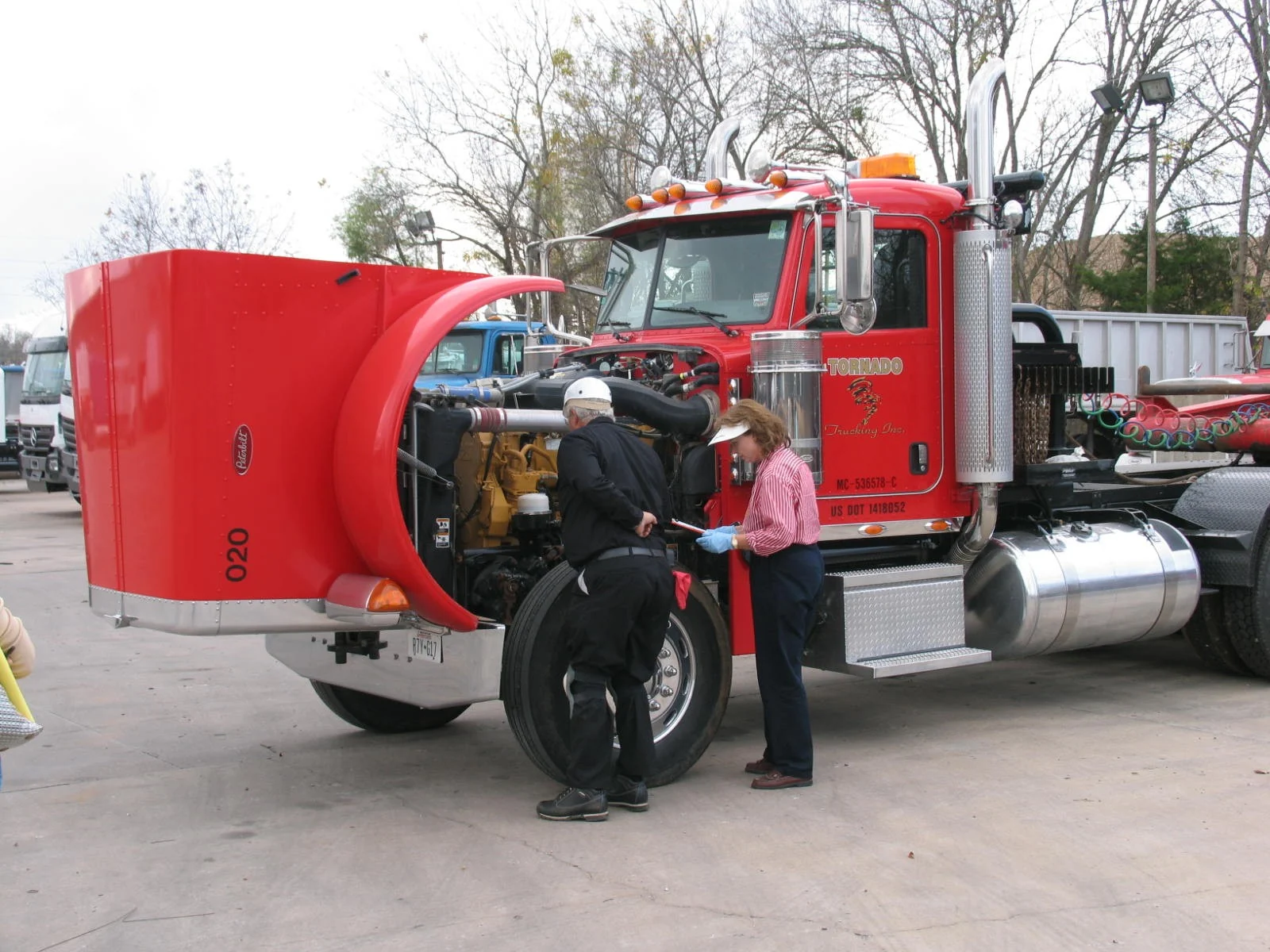
In the Tornado Trucking case, protruding oilfield equipment struck a family’s stopped vehicle. Brian and Vuk investigated the company’s loading decisions and records. They also found substantial insurance beyond the amount initially represented to the referring lawyer. The case settled for $9,638,589.96.
That investigation required attention to both liability and collectability. Ask a prospective lawyer how they would examine those issues in your case.
Choose a lawyer who can explain disputed fault
An insurer may blame you, another driver, road conditions, or an earlier collision. A serious lawyer should explain what evidence could resolve that dispute: the complete video, vehicle damage, electronic records, witness testimony, or a reconstruction that tests competing accounts.
Under Texas Civil Practice and Remedies Code Chapter 33, a claimant more than 50 percent responsible cannot recover in a covered action. A recoverable award decreases by the claimant’s percentage of responsibility. The insurer’s proposed percentage deserves scrutiny, not automatic acceptance.
Ask how the lawyer will prove that the defendant’s conduct caused the injury. The Texas Supreme Court emphasized the need for substantial-factor causation in Werner Enterprises v. Blake. Identifying a safety violation and connecting it to the harm are separate steps in building a case.
Personal service includes difficult conversations
You should hear about the weaknesses as well as the strengths. A lawyer who gives you personal attention should explain an unfavorable medical record, an uncertain witness, or a genuine coverage problem clearly. That lets you make informed decisions.
Ask how the lawyer will document future treatment, lost earning capacity, and help you may need at home. Where the defense points to a pre-existing condition, ask how counsel will distinguish the old condition from the new injury or aggravation. A complete medical history helps that work.
Before signing, review the fee agreement, expenses, what happens if there is no recovery, and any referral arrangement. Make sure you understand the agreement and can ask questions in a language you are comfortable using.
Bring these five questions to your consultation
- Who is the lawyer accountable for my case?
- What experience does that lawyer have with my kind of injury and disputed evidence?
- How much attention can the lawyer and staff devote to the case?
- What will you investigate first, and how will you pay for the necessary work?
- If the insurer will not make a reasonable offer, who will prepare and try the case?
The answers should help you choose a lawyer with the right experience, a workable plan, and room to give your case the attention it deserves.
Tell Us What Happened
If a serious car or truck crash changed your life, contact Brian or Vuk or call 877-724-7800. Ask us these same questions. Learn more about how Brian and Vuk approach their cases and review their actual case results.
Prior results depend on the facts of each case and do not guarantee a similar outcome.