The third straight extension runs to February 14, 2027. It changes who carries the cargo. It does not change an injured seaman’s rights.
At one minute past midnight on Sunday, November 16, a new 90-day period began in which foreign-flagged ships may carry oil and other covered cargo between United States ports. That work belongs, by law, to American ships with American crews. Customs and Border Protection made the extension formal in a bulletin posted November 13: covered products must be loaded by 11:59 p.m. Eastern on February 14, 2027, and every voyage still requires its own review and approval. It is the third straight 90-day extension of a waiver that was supposed to be temporary.
A simple promise
The Jones Act is a simple promise. Cargo moving between American ports moves on American-built, American-flagged, American-crewed ships. The promise has two purposes: it keeps a merchant fleet and a pool of trained mariners available to the country, and it keeps the standards that protect those mariners, including the right of an injured seaman to hold his employer accountable in an American courtroom, attached to the work.
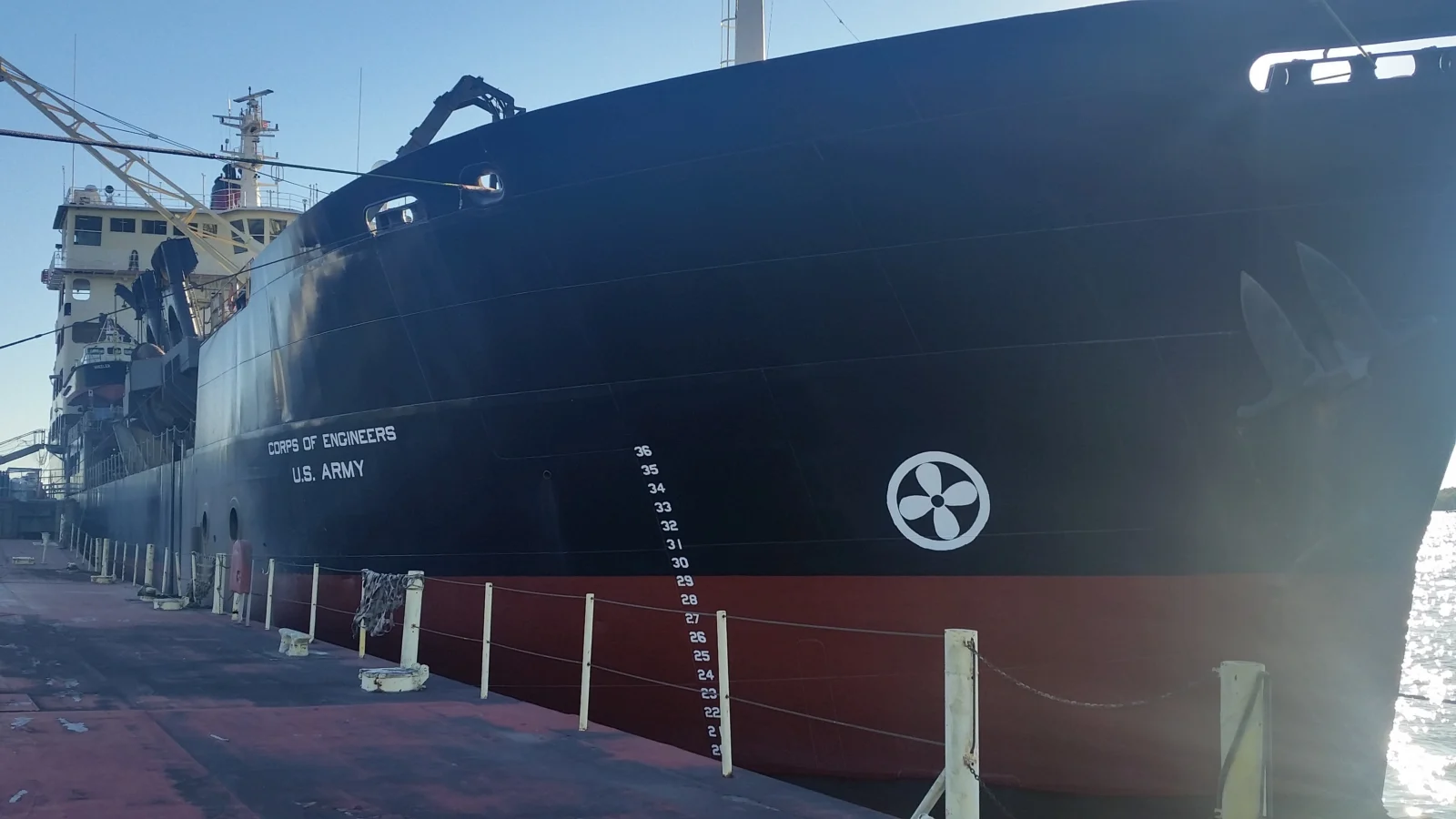
What an extension takes
A waiver suspends the first part of that promise. Each time it gets extended, cargo that would have moved on American ships moves instead on foreign ones, and the jobs, sea time, and wages of American crews move with it. The maritime industry has noticed. This week, the organizations that represent American vessel operators and mariners publicly objected to the new extension, and they are right to. A 90-day emergency measure that keeps renewing itself is not an emergency measure. It is a policy, and nobody voted on it.
What the waiver does not change
The Jones Act’s cargo rules and the Jones Act’s injury remedies are different things that happen to share a name. A seaman hurt working aboard a vessel still has the right to sue his employer for negligence, still has the right to maintenance and cure, and still has a claim against an unseaworthy vessel. No waiver touches any of that. What the waiver changes is who is on the water. When the ships running American routes fly foreign flags and carry foreign crews under foreign employment contracts, injured workers face questions an American crew never faces: which country’s law governs, which court will hear the case, and whether the employer can be reached at all. Those questions have answers, and the answers often favor the worker more than the shipowner would like him to know. But they are questions a working deckhand should never have to ask about a voyage between Texas and Florida.
If you work these routes
The waiver runs to mid-February. If you crew a tanker or a supply vessel on these routes, foreign-flagged or American, and you get hurt, your rights depend on facts: what you were doing, what vessel you were assigned to, and who controlled your work. Get those facts written down early, because the companies certainly will.
Sources: Customs and Border Protection, bulletin CSMS 70435180, posted November 13, 2026; industry reaction reported by gCaptain, November 16 and 17, 2026.