Start with who employs you
Civilian mariners keep supplies, fuel and equipment moving for the fleet. When a mariner is injured aboard a Military Sealift Command vessel, the first legal question is not simply whether the ship belongs to the government. It is who employed the mariner, what work the vessel was performing, and whose conduct contributed to the injury.
A federal CIVMAR and a mariner employed by a private operating company may work aboard government vessels but have different routes to recovery. Your appointment paperwork, pay records, employment agreement and vessel assignment help establish the starting point.
Federal CIVMARs: understand FECA first
MSC identifies the Federal Employees’ Compensation Act (FECA) as the workers’ compensation program covering its federal Civilian Mariners. The Department of Labor’s Office of Workers’ Compensation Programs administers that program. Depending on eligibility, benefits can include medical treatment, wage-loss compensation and benefits for eligible survivors.
For a federal mariner’s covered work injury, FECA generally supplies the exclusive remedy against the United States. Working aboard a public vessel does not, by itself, give a federal CIVMAR an injury lawsuit against the government under the Suits in Admiralty Act or Public Vessels Act.
That does not automatically end every inquiry. A separate third party may have contributed to an injury, and FECA has rules addressing third-party recoveries and reimbursement. Whether such a claim exists depends on the parties, their relationship to the government and the facts.
Contractor crews: the vessel and operating agreement matter
If a private company employs you aboard a government vessel, the analysis can be different. A qualifying maritime claim may proceed against the United States under the Suits in Admiralty Act, the Public Vessels Act, or related law. Those statutes are not interchangeable labels for every government-vessel injury.
The operator’s role matters. When an admiralty remedy against the United States is available, federal law can make it exclusive of a claim against the government’s agent arising from the same subject matter. Naming only the private operator may therefore miss the proper defendant.
Jones Act principles can still matter to a contractor mariner’s negligence claim. But an ordinary private-employer Jones Act lawsuit is not a safe assumption for every MSC assignment. The right route requires review of employment status, vessel ownership, the operating agreement and the circumstances of the injury.
What a careful investigation should preserve
Deck operations, cargo handling, ladders, machinery and work in confined spaces can produce very different evidence. The investigation should connect the actual task to the equipment, instructions, staffing and conditions at the time.
Useful records may include the incident report, deck and engine logs, work orders, maintenance records, photographs, witness information, medical records, job assignment and employment documents. Preserve the records you already have, including messages about the incident and instructions concerning medical care.
If a family member died while working aboard a government vessel, employment status remains important. Survivor benefits and any potential third-party or maritime claim require their own analysis; the vessel’s military mission alone does not establish a particular remedy.
Do not assume an ordinary Jones Act deadline
The Suits in Admiralty Act generally requires an action to be brought within two years after the cause of action arises, and the Public Vessels Act incorporates that framework. Different claim types can carry different reporting, filing or administrative requirements.
A report to a supervisor, a benefits application or a claim submitted to an agency should not be assumed to preserve a separate lawsuit deadline. Identify the applicable route promptly rather than relying on a generic maritime timetable.
Talk through the employment and vessel facts
Brian Beckcom and Vuk Vujasinovic are Houston-based trial lawyers who represent clients in personal injury and wrongful death cases in Houston, across Texas, and nationwide.
For an injury connected to an MSC assignment, a useful first conversation starts with the employer’s name, vessel name, date and location of the incident, what happened and which reports or claims have already been made. Those facts help determine whether a potential maritime or third-party injury claim warrants further investigation.
Questions from Military Sealift Command mariners
Sources & Further Reading
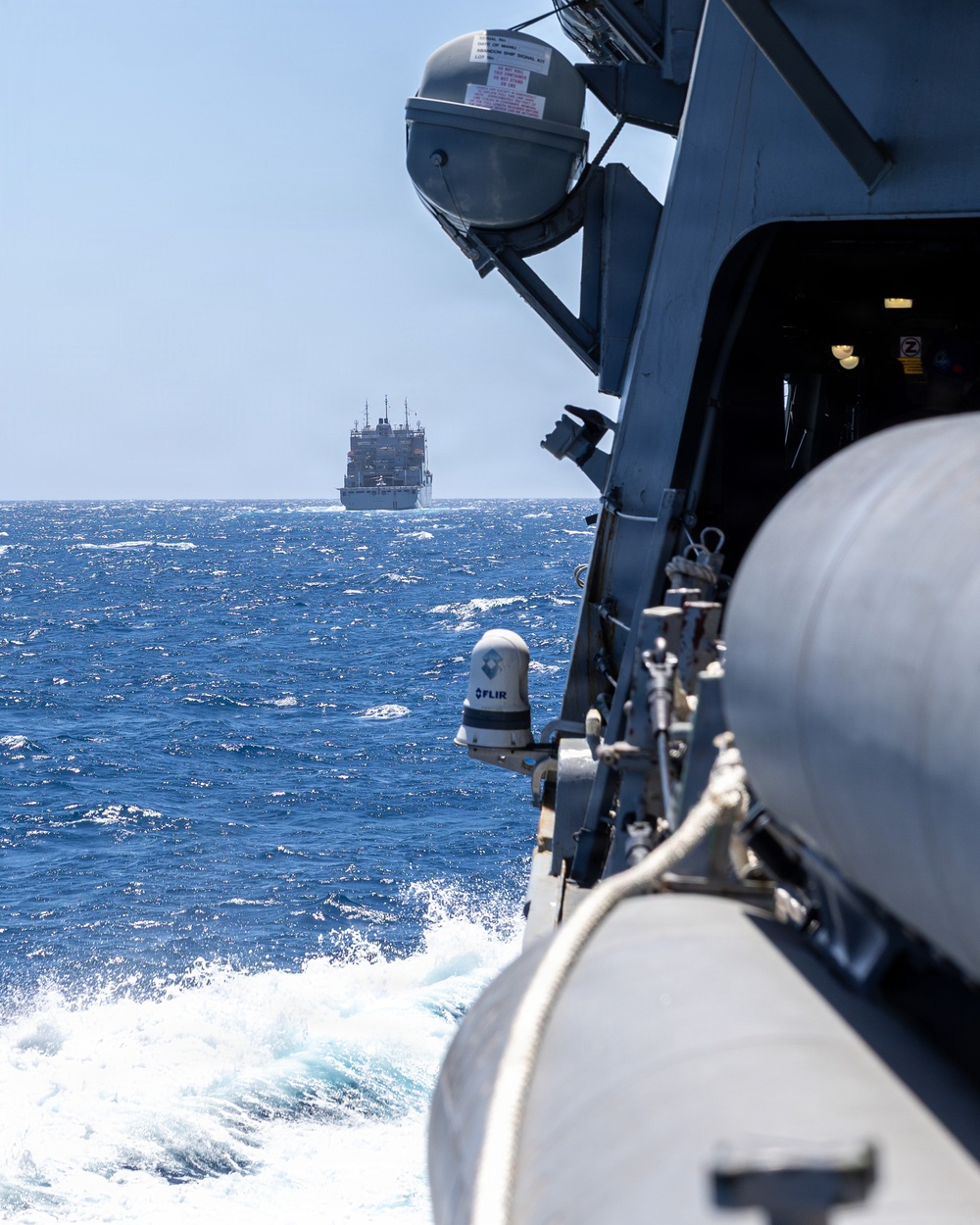
- Photograph: U.S. Navy photo by Mass Communication Specialist 2nd Class Timothy Dimal.
- MSC: Workers’ Compensation
- FECA exclusivity: 5 U.S.C. § 8116
- Third-party recoveries: 5 U.S.C. § 8131
- Suits in Admiralty Act: 46 U.S.C. § 30904
- Suits in Admiralty Act deadline: 46 U.S.C. § 30905
- Public Vessels Act: 46 U.S.C. § 31103
- Johansen v. United States