Case at a glance
Result: Confidential Settlement
Client and work: Captain Marshall R., a tugboat captain
Incident: Fall on ice-covered exterior vessel stairs in Port Arthur, Texas
Injuries: Head and neck injuries, neck surgery and lasting limitations
Practice: Maritime Injury Law and Jones Act claims
Handling lawyer: Brian Beckcom
Leaving the wheelhouse during an ice storm
On February 15, 2021, Marshall was finishing his watch aboard a tugboat in Port Arthur. Ice covered the exterior stairs. The route from the elevated wheelhouse led onto an exposed exterior staircase.
Marshall later described stepping outside and trying to close the wheelhouse door. He fell backward down the stairs, injuring his head and neck. Surgery followed, but treatment did not restore the working life he had known. He could no longer return to his work as a captain.
Marshall and his wife, Stacy, contacted VB Attorneys as they faced those changes together. The case required Brian to investigate both the conditions aboard the vessel and the lasting consequences of the fall.
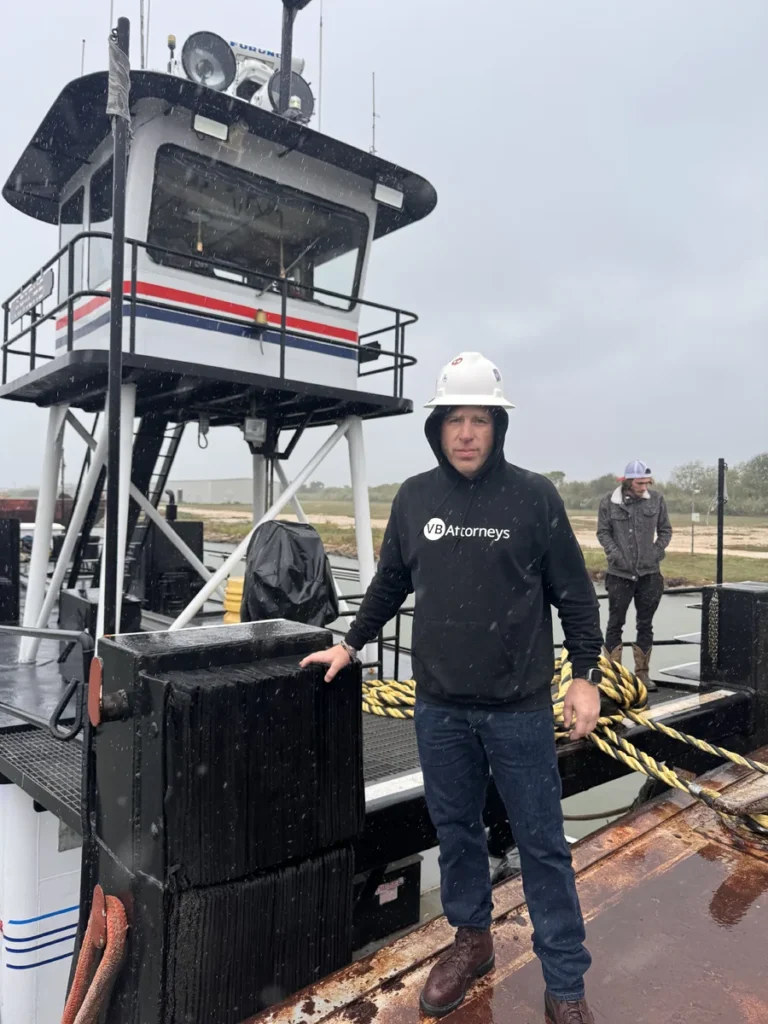
Brian went aboard to examine the route Marshall had to use
Brian inspected the vessel in November 2023. He examined the exterior stairs, the elevated wheelhouse and the space between the doorway and the first steps. The inspection helped him understand the movement required to leave the wheelhouse, including the effect of opening the door beside the staircase.
The stairs were exposed to the weather and provided the route between the wheelhouse and the rest of the vessel. Brian’s investigation focused on how that arrangement affected a crew member trying to move through the area when ice covered the steps.
The photograph of Brian on the vessel documents that hands-on investigation. Examining the actual work area gave the case a physical foundation beyond written descriptions of the fall.
A captain had already stopped a job because of the ice
Deposition testimony revealed that another captain had refused a dispatched job on the morning Marshall was hurt. He had exercised stop-work authority because he considered the icy conditions unsafe.
That testimony mattered to Brian’s investigation: the weather hazard had been recognized before Marshall’s fall. Brian followed it by seeking records concerning the stopped job and testimony from the dispatcher involved.
Crew testimony also addressed the condition of the stairs. Witnesses described ice on the steps and the absence of de-icer. The captain explained that the nonskid surface and rubber-soled shoes would not solve the problem once ice covered the stairs.
Brian used that evidence to examine the precautions available to the crew and the decision to keep them aboard during the storm. The case concerned the conditions Marshall encountered, what was known about those conditions, and whether the crew could have waited safely ashore.
Surgery was only part of the impact
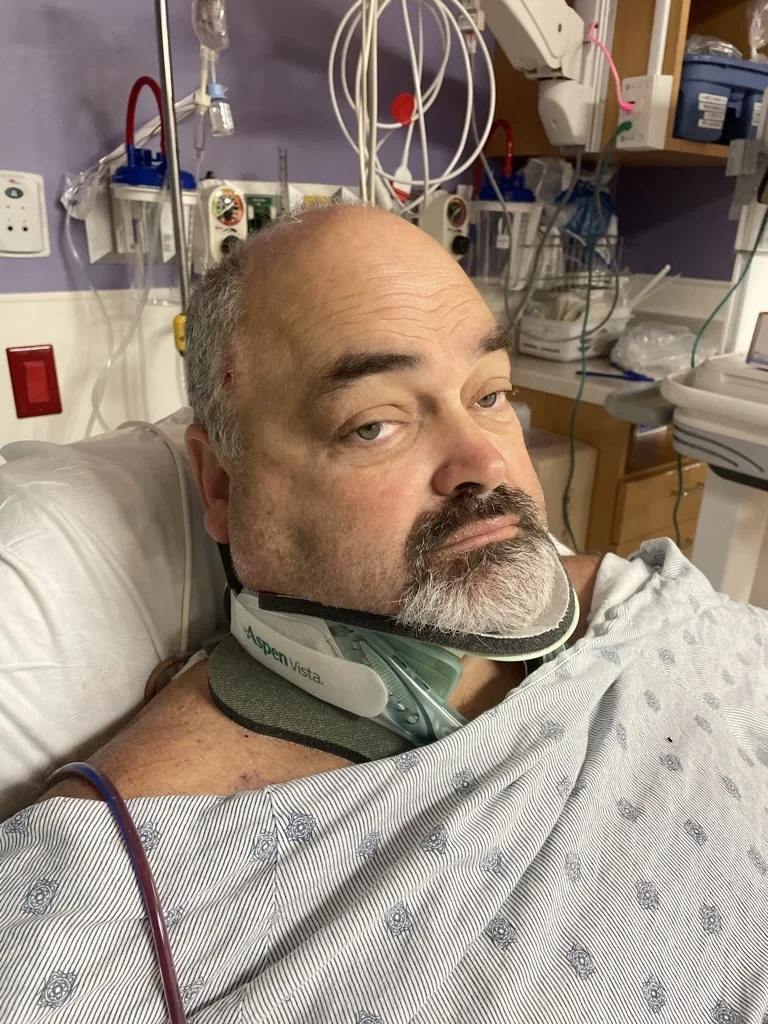
Marshall’s treatment included surgery involving the nerves serving his shoulder and arm, followed by extensive neck surgery. His cervical fusion stabilized multiple levels of his neck. Rehabilitation and continued treatment followed.
The injury’s effects extended beyond the hospital. Marshall described persistent pain and the loss of his ability to work. The medical history also documented continuing cognitive symptoms after the head injury. Brian and Brendan Fradkin assembled the treatment history and evidence of how the injuries affected Marshall’s daily life.
Stacy’s account helped explain what those changes meant at home. Her perspective connected the medical history to the practical consequences for the couple.
A confidential settlement and Marshall’s own account
Brian pursued the Jones Act claim against Marine Fueling Service, Inc. through vessel investigation, depositions and settlement negotiations. The case resolved in a confidential settlement.
Marshall later recorded a testimonial about his experience. He described Brian’s work during the case and the help he received from Patti and the office. His own account explains what the result meant after an injury that had ended his work as a captain.
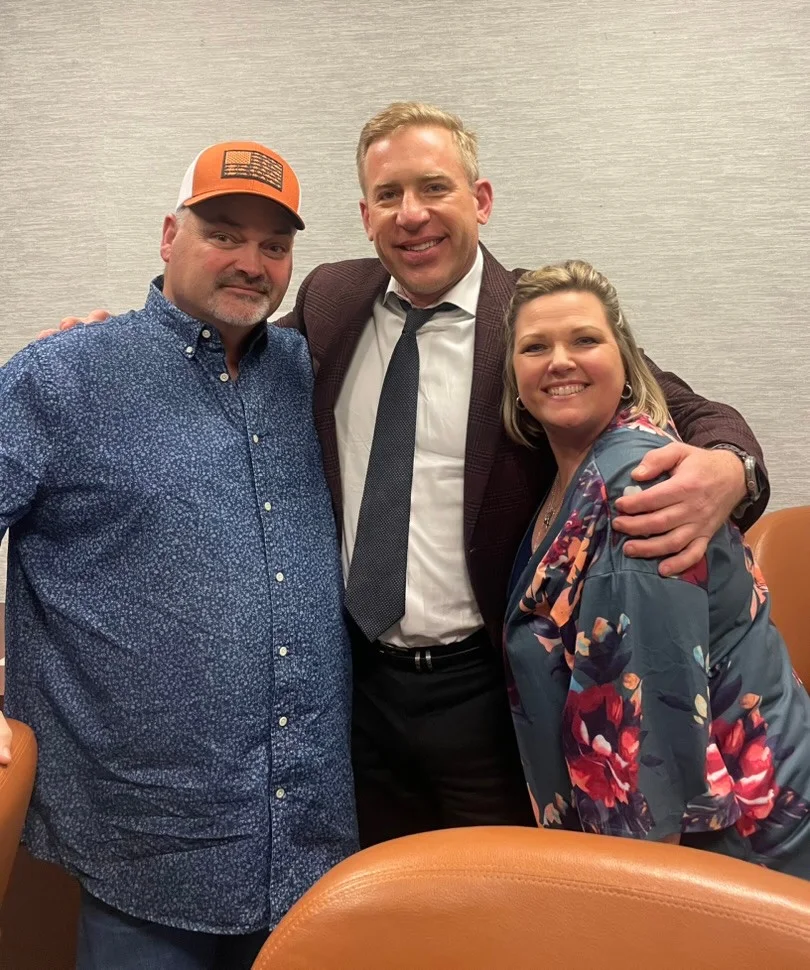
Captain Marshall R. shares his experience working with Brian Beckcom after his icy-stairs injury.
Questions about Marshall’s case
Talk with Brian about an injury aboard a vessel
Learn about Jones Act claims and our maritime injury practice, or read Marshall’s own account. If a vessel injury has interrupted your work, tell Brian what happened or call (877) 724-7800 for a free case review.
Every case is different. Prior results depend on the facts of the individual case and do not guarantee a similar outcome.