Case at a glance
- Result: Confidential Settlement
- Practice: Oilfield injuries
- Representation: VB Attorneys handled and settled the case, with support from Vuk Vujasinovic and the firm’s team.
He raised concerns before the first job
Richard brought hot-oil experience to an employer that wanted to start a new division. The employer leased an older truck from another company. Richard drove it back to the shop and complained about its deficiencies.
The employer performed work on the truck before sending Richard to a well site for his first hot-oil job with the new division. A supervisor for the site owner oversaw the operation. The arrangement placed several companies around one piece of equipment: the company that supplied the truck, Richard’s employer and the company that owned the site.
Richard encountered resistance as he operated the equipment. He tried to continue, stopped the operation and then restarted it. The truck made sounds, but Richard said he did not consider them out of the ordinary. The site supervisor later disagreed with his account of how the operation had progressed.
A valve cap came off and hot oil ignited
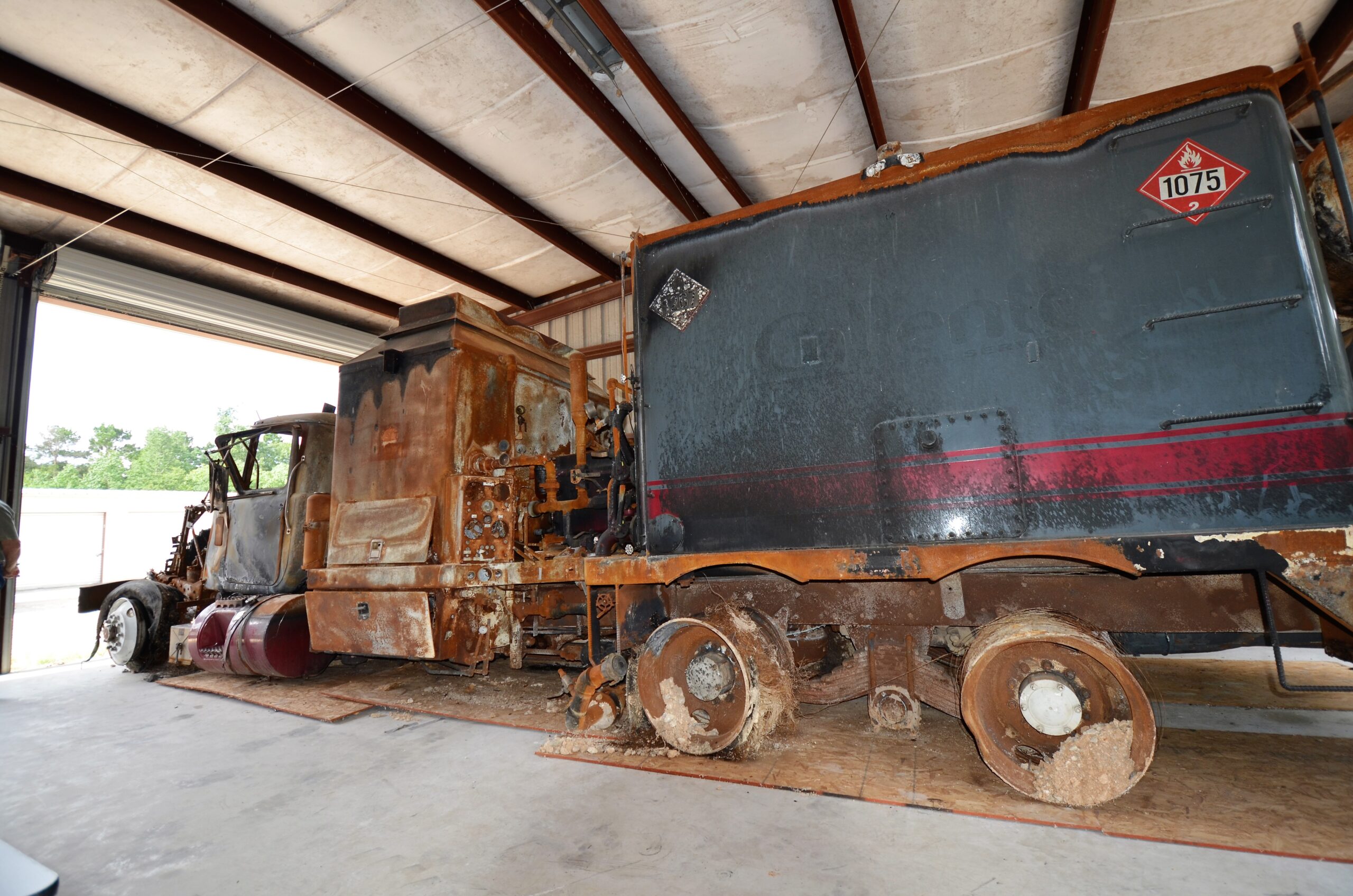
A check-valve cap suddenly came off the truck. Hot oil escaped and sprayed Richard. The oil reached the truck’s burners and ignited, setting his clothing on fire.
Richard rolled on the ground and came to rest against a fence. A site employee who happened to pass by took him to a local hospital in a private vehicle. Medical personnel later transferred him by air to a burn unit.
Richard underwent several skin grafts. The injuries interrupted the work he had undertaken to build the new division, and he had not returned to employment when the case settled.
The defendants blamed how Richard operated the truck
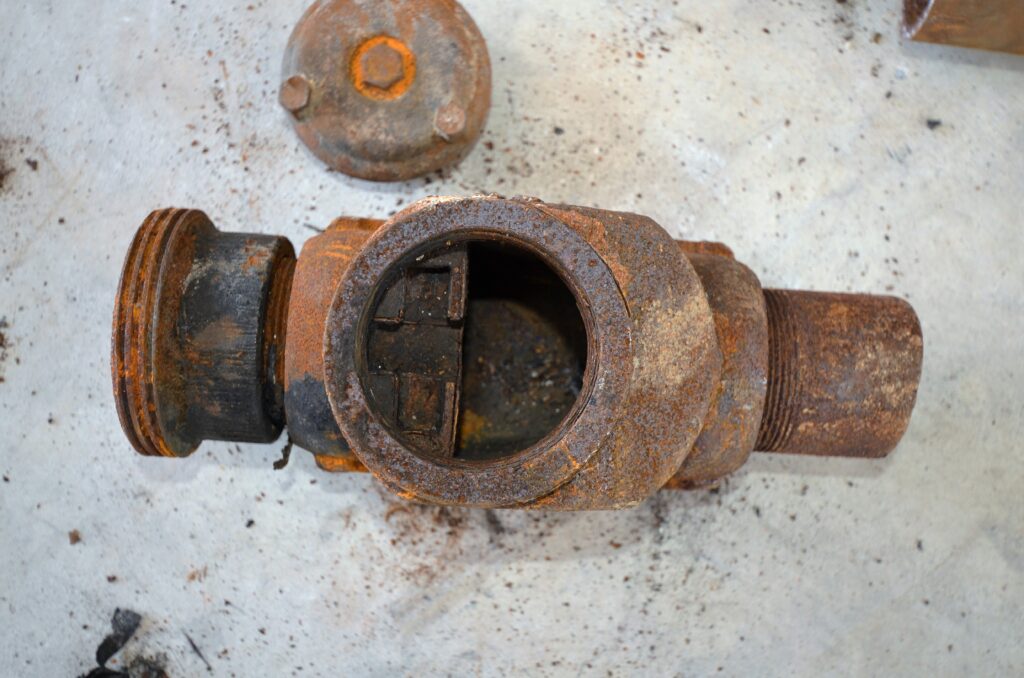
The defendants argued that Richard had over-pressurized the equipment. They focused on his operating decisions, including his response to the resistance he encountered. The disagreement between Richard and the site supervisor added a witness dispute to the equipment issues.
The case presented two competing explanations for the fire: Richard’s account of the truck’s problems and the defendants’ allegation that he had over-pressurized it. Richard’s earlier complaints and the work on the truck supplied part of the history. The sequence at the site supplied another part: what resistance Richard encountered, why he stopped and restarted, what the supervisor observed and how the valve cap came off.
The case also required careful attention to the different companies. One company supplied the leased truck. Another employed Richard and performed work on the equipment. A third owned the well site and provided the supervisor.
Workers’ compensation complicated the responsibility question
Richard received treatment through workers’ compensation. The employer’s workers’ compensation protection created an additional obstacle in the injury case: the potential allocation of fault to a company against which Richard could not pursue the same damages claim.
That issue affected the negotiations. Even if the evidence supported problems with the equipment or its preparation, the defendants could argue that Richard’s employer bore responsibility. They could also argue that Richard’s own operation of the truck contributed to the fire.
Preparing for mediation required an evaluation of those competing arguments. The severity of the burns did not remove the need to confront the liability disputes. The claim required a presentation that addressed how the fire happened, who controlled the relevant work and what the injuries meant for Richard.
Preparing Richard’s testimony and future-care evidence
Richard received additional deposition-preparation assistance to help him prepare to explain his experience. His account mattered because the defense challenged his decisions during the operation and another witness disagreed with him.
Richard’s claim also addressed future medical care and lost earnings. A physician prepared a life-care plan addressing future needs. An economic expert calculated lost earnings and the present value of future losses.
A confidential agreement resolved the claim
The parties reached a confidential settlement at mediation. The negotiations included support from Vuk Vujasinovic and other members of the VB Attorneys team.
Richard expressed appreciation for the firm’s work after mediation and in later conversations.
Discuss an injury with VB Attorneys
If you or someone in your family suffered injuries in a well-site or equipment incident, tell us what happened. Contact VB Attorneys to discuss your case.
Every case is different. Prior results depend on the facts of the individual case and do not guarantee a similar outcome.