Case at a glance
- Recovery: Confidential Settlement
- Injury: Lower-back injury
- Practice: Jones Act and maritime injuries
- Attorney: Vuk Vujasinovic
An experienced engineer, an awkward task
On September 11, 2020, John was working aboard the Deepwater Asgard drillship when he was instructed to close a below-deck valve. He had built a long career with Transocean and hoped to advance into higher-ranking positions.
The valve was not at a comfortable standing height. Its five-inch handwheel sat about 13 inches below the deck, inside a compartment with an opening approximately 20 inches by 16 inches. Reaching it required John to work in a bent-over position.
John injured his lower back while turning the valve. His treatment eventually included surgery, and the injury limited his career options. The case was about more than a difficult shift offshore: it concerned the consequences of a task he had been expected to perform as part of his job.
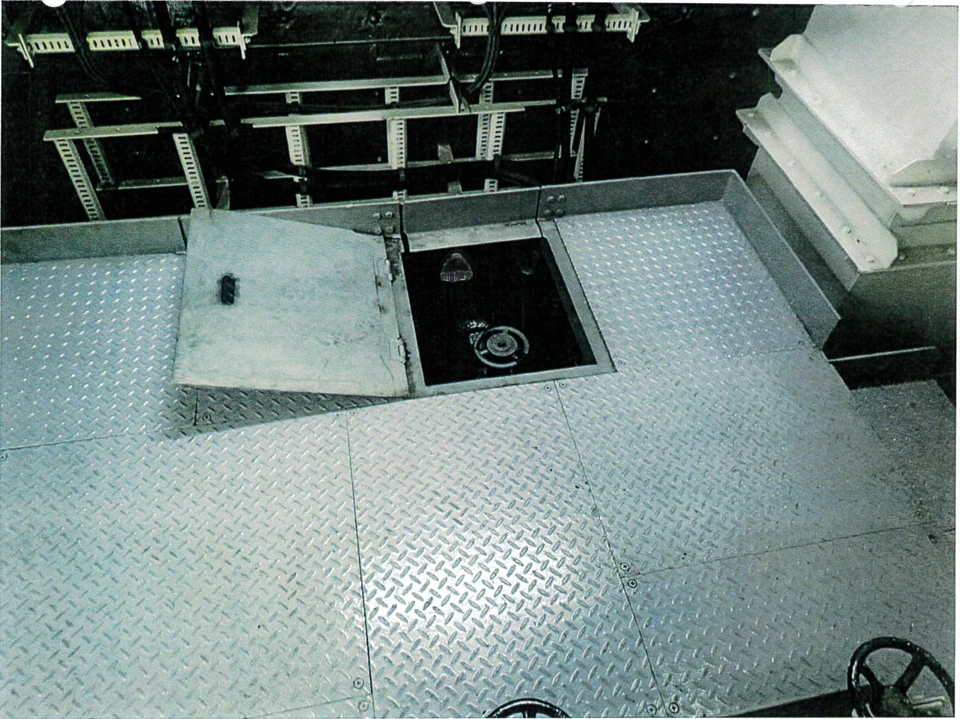
The question was how the work should have been done
John’s claim focused on the valve’s location and the equipment available to operate it. He had requested a T-bar to help turn below-deck valves before his injury. That tool would let a worker operate the valve from a more upright position.
The defense proposed a different approach: John could have sat down and put his feet into the compartment while turning the valve. The VB Attorneys team examined that position rather than accepting that a different posture necessarily made the task safe.
The team worked with human-factors and ergonomics expert Stephen Morrissey, Ph.D., CPE. His analysis addressed the valve’s dimensions, the worker’s posture, the repetitive turning motion and the alternative use of a T-bar.
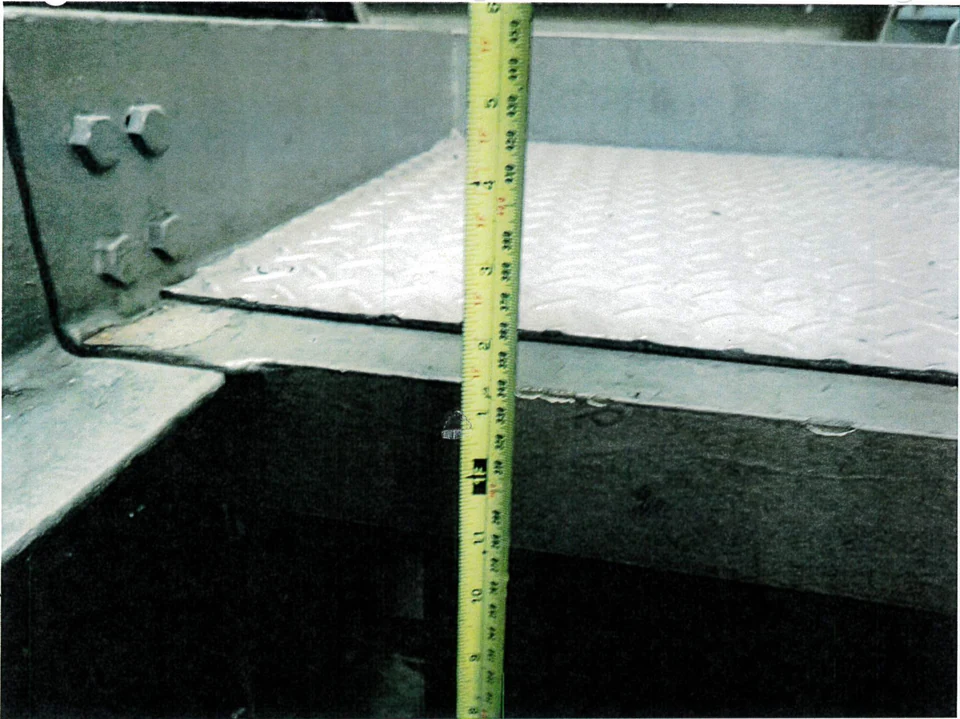
Testing the defense’s alternative
Morrissey reviewed deposition testimony, the defense expert’s report and an example video showing the valve being operated. He concluded that the valve’s placement did not comply with the design recommendations he identified for a handwheel of that size.
He also evaluated the proposed feet-in-the-compartment method. His report explained that a static model could estimate forces at individual moments, but could not fully reproduce the rapid, repetitive movements involved in closing the valve. He concluded that the full task had the potential to expose the lower back to high, potentially hazardous stresses.
The comparison with a four-foot T-bar was important. In his modeling, using the tool from an upright position sharply reduced the estimated forces on the lower back. That analysis gave John’s case a concrete response to the suggestion that he simply should have positioned himself differently.
The VB Attorneys team used this evidence to pursue John’s claims against Transocean, focusing on the way the job was set up and the tools provided to perform it.
A confidential settlement
The Jones Act case ended in a confidential settlement. The settlement resolved John’s injury claims after a dispute over a below-deck task, the available equipment and the physical demands placed on an experienced offshore worker.
Questions about the case
Related legal help
Learn about Jones Act claims, or read about another injured seaman’s case.
To speak with Vuk Vujasinovic about an injury while working offshore, call 877-724-7800 for a free consultation.
Every case is different. Prior results depend on the facts of the individual case and do not guarantee a similar outcome.