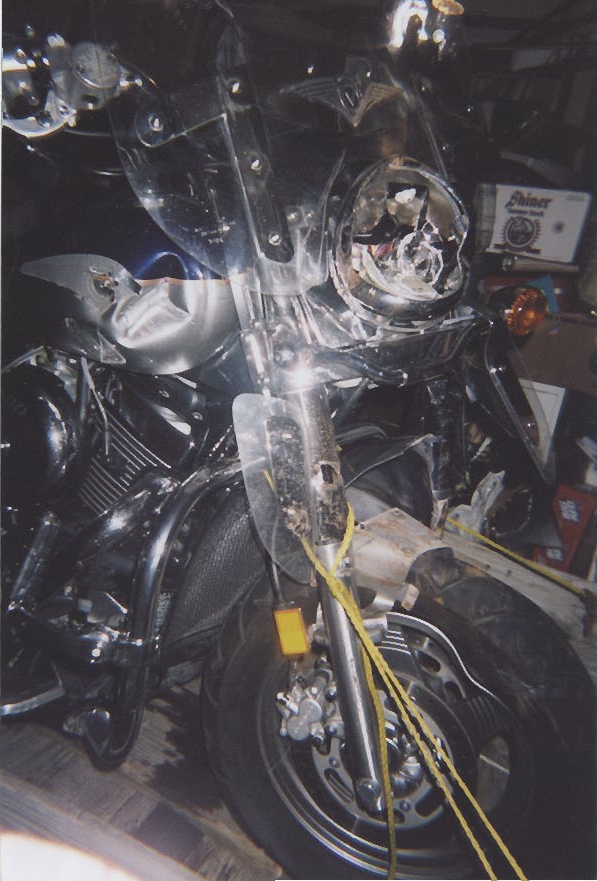
A van pulled into his path before sunrise
James was a chemical plant operator. He was riding westbound on U.S. 290 near Brenham in dark, foggy conditions when a commercial box van pulled out in front of him. He could not stop in time to avoid the collision.
The van driver was working for Teris LLC, a Dallas-based hazardous-waste transportation company. The crash left James unconscious at the scene.
Emergency care and extensive rehabilitation
Emergency responders took James to a hospital before he was transferred to Memorial Hermann Hospital in Houston. His injuries included multiple pelvic fractures, a broken rib, facial and skull fractures, and traumatic brain injuries involving bleeding in the brain.
James spent nearly a month in the hospital before moving to a specialty facility for rehabilitation and continued medical care. His medical expenses exceeded $524,000. He eventually returned home, but the claim also addressed lost wages, future earning capacity, and the consequences of his injuries.
Pursuing the driver and the company
VB Attorneys brought a lawsuit against the van driver and Teris LLC. The lawsuit alleged that the driver failed to yield the right of way and that Teris was negligent in hiring, screening, and entrusting the vehicle to him.
The defense denied responsibility. The litigation focused on the van’s movement into James’s path and the company’s responsibility for the driver it put behind the wheel. James’s injuries and rehabilitation needs were also central to the claim.

A $4.5 million settlement
After extensive litigation and two mediation sessions, the parties reached a $4.5 million settlement before trial. A substantial portion of the recovery was placed into structured settlements for James’s use and benefit.
The resolution addressed the lasting consequences of a crash that required prolonged hospitalization, intensive rehabilitation, and substantial medical care.
Practice experience
Meet VB Attorneys’ founders
Related case results
Frequently Asked Questions
Every case is different. Prior results depend on the facts of the individual case and do not guarantee a similar outcome.