Case at a glance
- Recovery: Confidential Settlement
- Injury: Back injury requiring lumbar fusion
- Practice: Maritime injuries
- Attorneys: Brian Beckcom and Brendan Fradkin
A mooring assignment turned into a rescue
Bryant had worked on vessels for several years, but he was only a few weeks into his job with this employer when he was assigned to operate a small workboat. Its purpose was to carry crew members and mooring cables between the tug-and-barge unit and the dock.
On the night of the incident, he had already taken two crew members ashore. He was waiting for a cable to be secured when the tug’s engines started near his workboat. The small boat was tossed about and pulled under, taking Bryant into the water.
Bryant described struggling to get free of the water’s force. When he surfaced between the vessel and the dock, he grabbed a tire to stay afloat. Crew members eventually located him and pulled him to safety.
He survived the immediate danger. In the days that followed, however, his back pain became increasingly difficult to ignore.
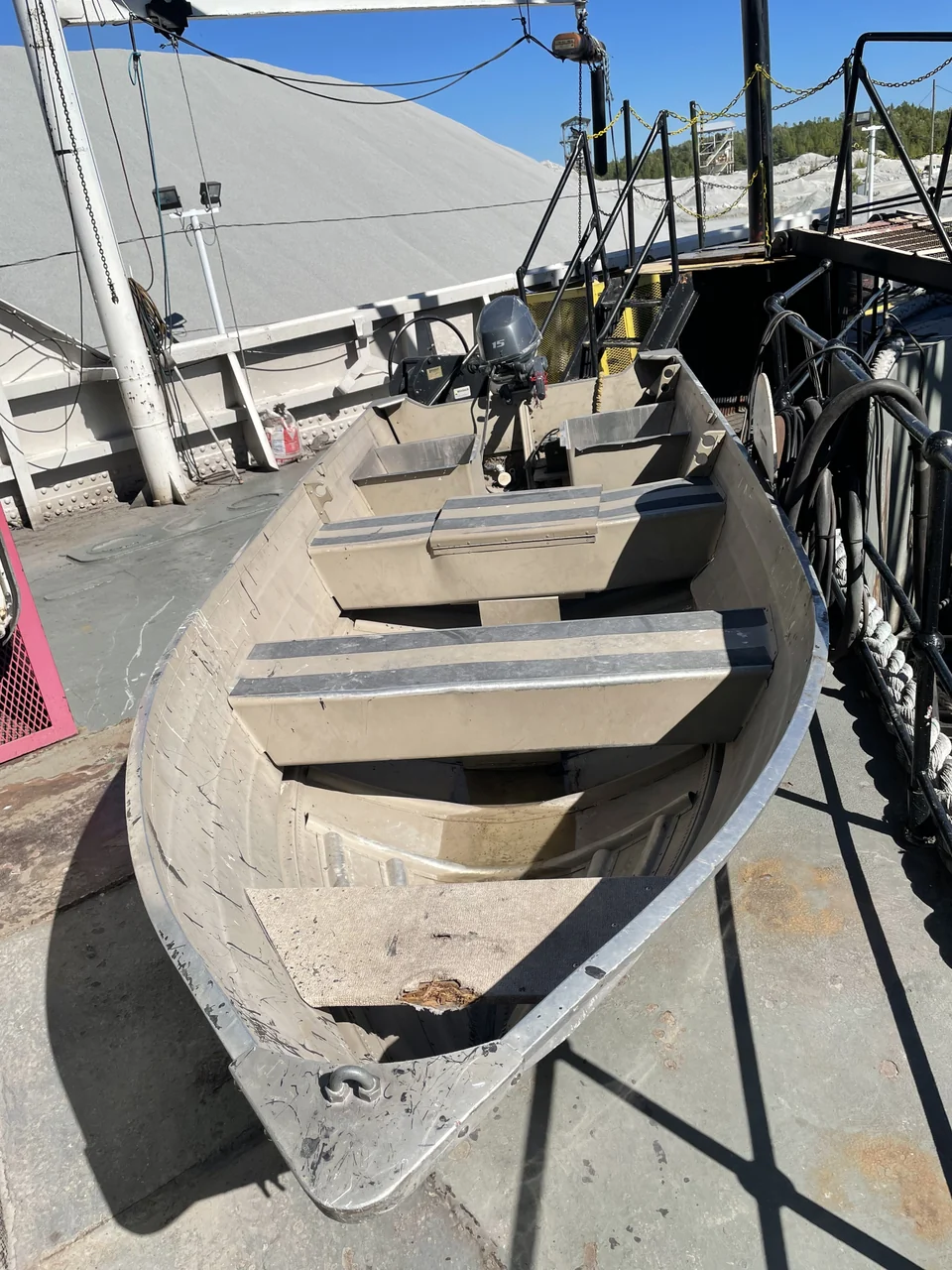
Examining the assignment and the crew’s communication
Bryant told the VB Attorneys team that he had not been trained to operate the workboat before being told to take his turn. His lawyers investigated what training he had received and how the captain and workboat operator were supposed to coordinate their movements.
The team pursued the company’s incident investigation, crew statements, workboat training materials, safety-management procedures and deck logs. They also questioned crew members and company representatives about what happened before the engines started.
The captain’s deposition became an important part of that work. The team examined whether there had been a radio call or visual check of Bryant’s position before the engines were engaged, and what the captain knew about Bryant’s back complaints before he left the vessel.
The company disputed responsibility, and Bryant’s own actions were an issue in the case. The investigation addressed the workboat operation as a whole, including the assignment, training and communication between the two vessels.
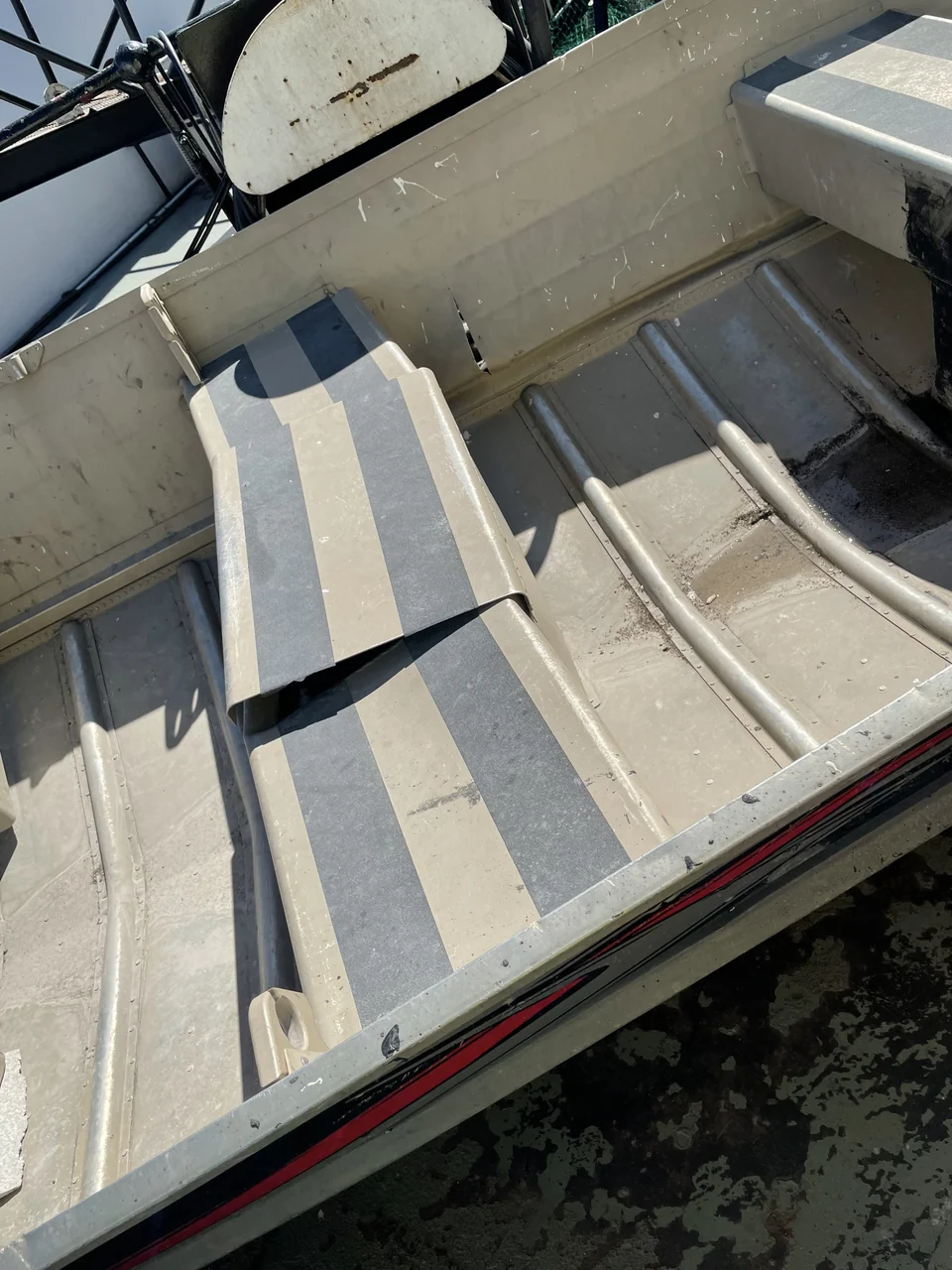
Medical evidence connected the back pain to the incident
Bryant tried physical therapy, medication and injections, but continued to experience daily low-back pain. Bending, twisting, prolonged standing and getting up and down aggravated his symptoms.
An independent medical examiner reviewed his treatment records and diagnostic studies. The examiner concluded that his symptoms resulted from the accident, either as a direct injury or an aggravation of a pre-existing condition, rather than the natural progression of an earlier condition.
That distinction mattered because the imaging showed degenerative changes. The medical evaluation addressed whether the work incident had caused or aggravated the painful condition, instead of treating the existence of degeneration as the end of the inquiry.
Bryant later underwent an L5–S1 lumbar fusion. At his early postoperative visit, his surgeon documented improvement in his pre-surgery pain and walking, then prescribed physical therapy to work on strength and flexibility.
A confidential settlement
Brian, Brendan and the VB Attorneys team pursued Bryant’s maritime injury claims in federal court in Michigan. The case resolved through a confidential settlement.
The work combined an investigation of vessel operations with medical evidence explaining why a man who had survived the water still needed treatment for his back. It addressed both how the incident happened and the lasting injury that followed.
Questions about the case
Related legal help
Learn about maritime injury claims or read about another deckhand injury case.
To speak with VB Attorneys about an injury aboard a vessel, call 877-724-7800 for a free consultation.
Every case is different. Prior results depend on the facts of the individual case and do not guarantee a similar outcome.